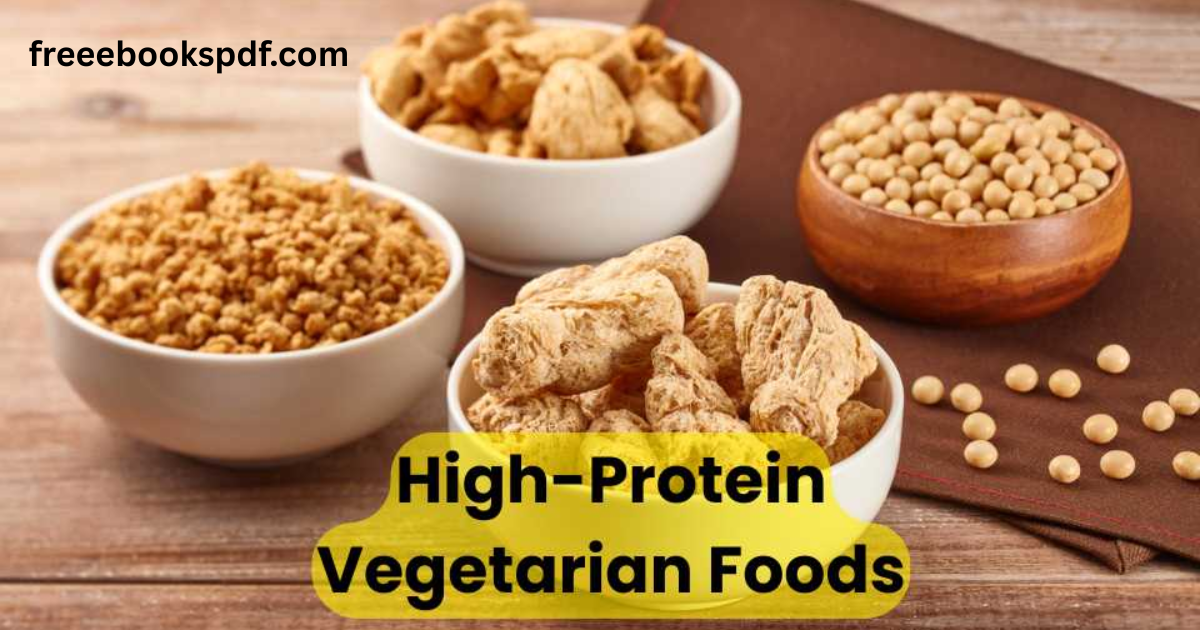
Gaining muscle doesn’t require a diet full of meat, eggs, or other animal products. With the right vegetarian protein sources, you can build lean, strong muscles while following a plant-based lifestyle. Whether you’re new to vegetarianism or an experienced plant-based athlete, knowing which high-protein vegetarian foods to include is crucial for optimal muscle growth and recovery.
Explore cheap high-protein meals for muscle gain with easy, budget-friendly recipes.
The Importance of Protein to Muscle Gain
The component of muscles is protein. Each time you do some form of strength training or resistance work, your muscle fibers undergo minute micro-tears.
Increasing the muscle mass, the majority of the experts suggest taking 1.6-2.2 grams of protein per kilogram of body weight per day. To achieve this target, vegetarians need to integrate different sources of plant-based proteins, so that they become complete in the number of essential amino acids.
The best Vegetarian sources of protein to build muscle
The following are highly protein vegetarian foods that help in building muscles:
Lentils: A Powerhouse of Protein for Muscle Building
Lentils are one of the most effective vegetarian sources of protein and are perfect for muscle gain. They are rich in essential nutrients that support energy production and muscle function.
Chickpeas
Garbanzo beans or chickpeas contain 15g of protein in one cup. They can be used in hummus, snacks and salads. Chickpeas contain a high level of fiber, which keeps you saturated as well as aiding digestive health- which is vital to your overall well-being and training performance.
Quinoa
Quinoa is among the plant-based complete proteins, i.e. it has all the nine essential amino acids. A single cup of the cooked quinoa has 8gram protein and complex carbohydrates that power your exercises. It may be added to salads, bowls, or used in place of rice to increase the amount of protein.
Tofu
Tofu is prepared with soy beans and it is very versatile. One half-cup portion is a source of 10 grams of protein, calcium and iron. Tofu can be stir fried, grilled, blended into smoothies or baked into high protein foods. Its flavor is neutral, which enables it to take up a range of flavors, which makes it a part of vegetarian bodybuilding diets.
Tempeh
Another protein that is made of soy is tempeh which is even more protein-rich than tofu. A cup of tempeh contains about 31 grams of protein. It is hard and has a nutty taste and is very good in sandwiches, stir-fries, and savory bowls. Tempeh is also a source of probiotics to the gut to help the body absorb more.
Seitan
Seitan, which is a meat substitute, is a gluten of wheat and a high-protein source. Protein is one of the richest sources of vegetarian proteins with a value of about 25 grams in three ounces. The texture of seitan is chewy and it is excellent in stir-fries, sandwiches or grilled. It is perfect with vegetarians in need of a good protein dose.
Greek Yogurt (Lacto-Vegetarian Choice)
Greek yogurt is a high protein dairy alternative to lacto vegetarians with 10- 15 grams of protein per cup. It also contains probiotics which is beneficial to the gut health which helps in nutrient absorption and digestion.
Edamame
Young soybeans known as edamame contain 17 grams of protein in a cup. They contain a lot of iron, folate and essential amino acids as well. Edamame can also be cooked either by boiling, steaming or roasting, and hence it can be used as an easy and delicious addition to salads, stir-fries or as a protein snack.
Nuts and Seeds
Healthy fats and fiber Nuts and seeds such as almonds, peanuts, chia seeds, pumpkin seeds, and hemp seeds contain moderate amounts of protein and are healthy. They are good snacks or toppings to oatmeal, salads or smoothies in order to achieve your daily protein needs.
Vegetarian Ideas of high protein meals
A mixture of these sources of proteins can assist you in consuming your daily protein needs and in building muscle mass. The following are an example of a day meal:
- Breakfast Quinoa porridge with chia seeds and almond butter (20g protein)
- Lunch: Lentil and chickpea salad, olive oil and roasted vegetables (25g protein)
- Snack: hemp seeds and berries in Greek yogurt (15g protein)
- Dinner: Tempeh stir-fry with tofu, broccoli and brown rice (35g protein)
Tips for Maximizing Muscle Gain on a Vegetarian Diet
- Combine Proteins: A combination of proteins can be made by combining legumes with grains such as rice or quinoa to have a complete amino acid profile.
- Frequent Meals: 4-6 smaller meals daily will supply the muscles with a constant nutrition.
- Strength Training: Frequent resistance training is important to transform protein consumption to real muscle development.
- Keep Track of Micronutrients: Make sure that you take in the required amounts of iron, zinc, vitamin B12 and calcium to maintain your health.
Conclusion
Further supplementing these sources of proteins, strategizing your meals and combining them with strength training will guarantee you achieve your muscles building objectives in a natural manner.
Adopting a vegetarian diet does not imply that people have to give up on building more muscles. Quite on the contrary, it promotes a healthy, sustainable diet to fitness. If you’re looking for quick and easy options to fuel muscle recovery between meals, check out our guide on High‑Protein Snacks Without Protein Powder.