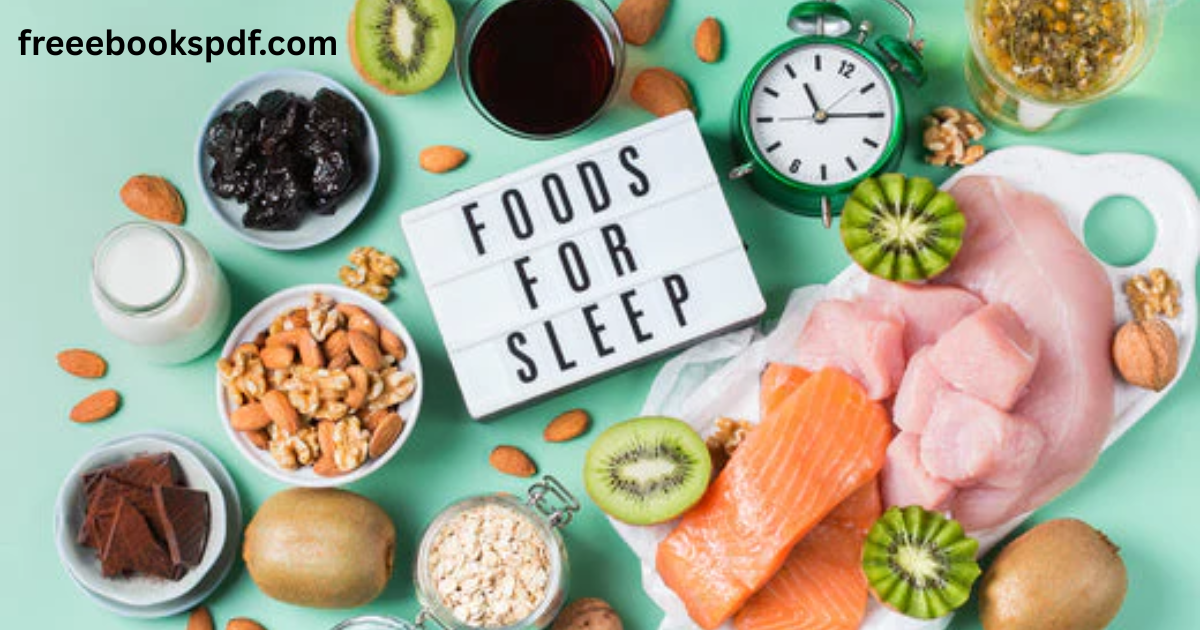
Sleep is a cornerstone of good health, yet millions of people struggle to get a restful night. Tossing and turning, waking up frequently, or feeling groggy in the morning is often linked to diet and lifestyle. While meditation, exercise, and sleep hygiene are essential, what you eat before bed can significantly affect your sleep quality. Consuming the right foods can naturally boost the production of sleep hormones, calm your nervous system, and help you fall asleep faster.
This paper shall discuss the most effective foods that make you sleep better at night supported by science and how to make them a part of your daily consumption to sleep deep and restorative. Explore this helpful anti‑inflammatory foods list for beginners to complement your healthy eating routine.
Tryptophan-Rich Foods: The Sleep Inducer of Nature
Tryptophan is a necessary amino acid that assists the body in the production of serotonin that is further than the melatonin-the hormone that controls sleep. To achieve better sleep, one can include foods that are rich in tryptophan, particularly in the evening, and this is a natural way of achieving sleep.
Best Tryptophan Foods:
- Turkey and chicken
- Eggs
- Cheese
- Tofu and soy food.
- Almonds and walnuts
A small snack, e.g. slice of turkey and whole-grain crackers, will raise serotonin levels, and you will be able to relax and fall asleep quicker. Combining the tryptophan foods with the complex carbohydrates increases the effect whereby carbs assist the brain to absorb tryptophan effectively.
Learn more about quick energy-boosting options in our guide on foods that increase energy instantly.
Magnesium- abundant Foods: Relax your Mind and Muscles.
Magnesium is an essential mineral that is essential to sleep. It relaxes the muscles, decreases stress and relaxes the nervous system. The deficiency of magnesium may result in the inability to sleep and problems in falling asleep.
Top Magnesium Sources:
- Eggs (low-fat and non-fat)
- Pumpkin seeds and sunflower seeds.
- Dark chocolate (in a limited amount)
- Bananas
- Avocados
An evening snack rich in magnesium, e.g. a banana and almond butter, or a small portion of pumpkin seeds may help a person to get deep and uninterrupted sleep.
Complex Carbohydrates: Preparing Your Body to Sleep
Whole grains and starchy vegetables contain complex carbohydrates that cause the insulin to be released and assist in making the brain absorb tryptophan. This has an indirect effect of enhancing production of melatonin, which eases one to sleep.
Examples of Sleep-Promoting Carbs:
- Oats
- Quinoa
- Sweet potatoes
- Bread or crackers made of whole-grains.
A hot oatmeal or a small dish of roasted sweet potatoes before sleep can relax your body, normalize your blood sugar and get your mind ready to have a good night.
Herbal and Natural Sleeping Aids
Natural foods and many herbs have been in use since time immemorial to enhance the quality of sleep. The mechanisms of these foods include calming down of mind, lessening of anxieties and facilitating the normal sleep cycle of the body.
The sleep food products should be effective:
- Chamomile tea: Chamomile is a tea that is known to be relaxing and it is given to avert stress and anxiety.
- Valerian root: Increases the onset of sleep and the quality of sleep.
- Kiwi: it has anti-oxidants and serotonin that promotes the duration and efficiency of sleep.
- Tart cherry juice: This is a natural melatonin source, and it is best to use it in order to enhance the quality of sleep.
These foods or beverages will take the place of other carbohydrates that you might have eaten 30-60 minutes before sleep; this will help your body to calm down and go to sleep.
Dairy Product: Traditional Sleep Support
Milk products are also good in terms of calcium and tryptophan which is a great source of sleep. Calcium assists the brain to utilize tryptophan in the production of melatonin in a good way. Before going to sleep another well-known way of dealing with insomnia is a warm glass of milk.
Sleep-Friendly Dairy Options:
- Yogurt
- Cheese
- Milk
Experience Try to eat a few almonds with yogurt or drinking warm milk with a pinch of cinnamon. These are some of the easy to use options that will increase your sleep even without supplements.
Snacks before Bedtime to Improve Sleep
It is important to have the right snack in case you are hungry before going to sleep. Snacks are known to break sleep, but light and nutritious ones help to relax.
Best Bedtime Snacks:
- The almond butter on a small banana.
- Some seeds of walnuts or pumpkin.
- Cheese crackers made of Whole-grain.
- Tart cherry juice or kiwi juice.
By having the proper snack 30-60 minutes prior to sleeping, it will balance the level of blood sugar and increase the production of melatonin, thus allowing one to fall asleep and sleep longer.
Things Not to Eat Before Sleep
Similarly to the food that aids in sleep, others are able to disrupt it. It is best to avoid stimulants and food that does not aid in the digestive system during the evening.
Sleep-Disrupting Foods:
- Caffeine (coffee, tea, energy drinks)
- Fruity sweets and candy.
- Foods that are spicy or greasy.
- Alcohol
Replacing it with more sleep-friendly options will enhance the quality of your sleep, as well as avoid night awakenings.
Developing a Sleep- Friendly Diet.
To get the best out of sleep-promoting foods, it may be a good idea to base your diet on them:
- Eat foods that contain tryptophan and magnesium in dinner.
- Choose the complex carbohydrates in the night.
- Have herbal teas or natural sleeping supplement 30 minutes before sleep.
- Make your after bed snack light and healthy.
- Do not take stimulants and heavy meals in the evening.
Regular adherence to a sleep-friendly diet can be used to control your circadian rhythm, and can also assist in enhancing your sleeping schedule considerably.
Conclusion
Physical and mental health requires a sound and restful night sleep and diet contributes greatly to the acquisition of this. Naturally, food with high amounts of tryptophan, magnesium, complex carbohydrates, and relaxing herbs can help to enhance the quality of sleep. A healthy bedtime habit coupled with these foods can help to ensure that one will never have sleepless nights.
To get more tips on improving your health with the help of diet, refer to our article on the foods that help digestion and reduce bloating and avoid bloating.