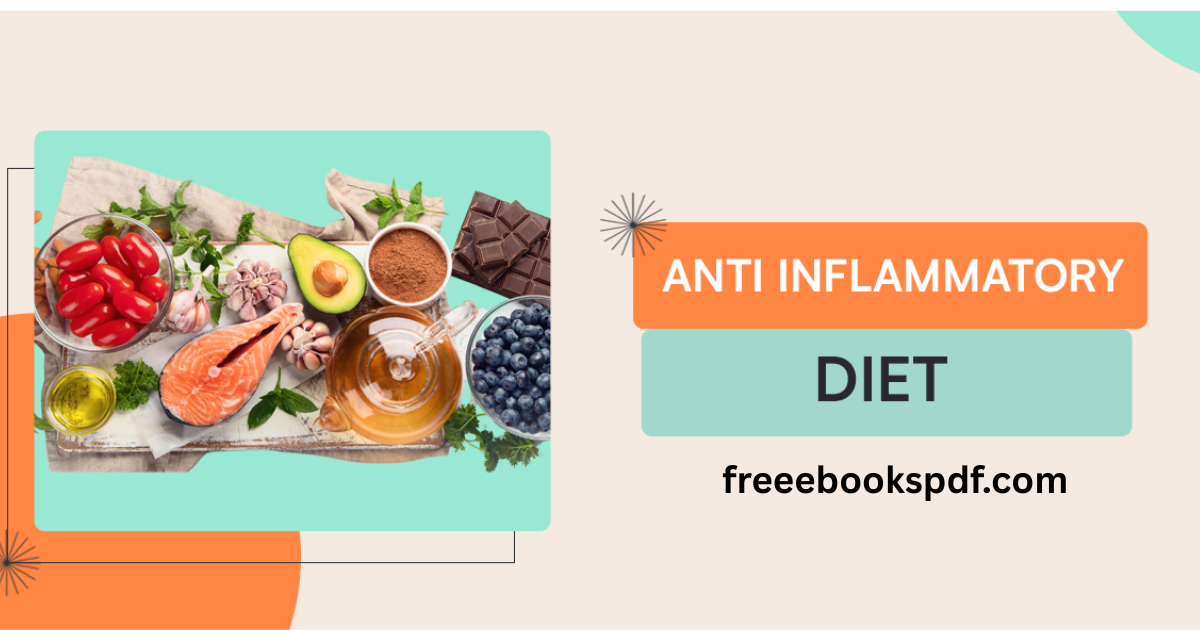
Inflammation is a natural response of the body to injury, infection, or stress. While acute inflammation helps your body heal, chronic inflammation can contribute to serious health problems, including heart disease, diabetes, arthritis, and even certain cancers. The good news is that you can reduce inflammation naturally by making smarter food choices.
If you are just starting, this anti-inflammatory foods list for beginners provides simple, accessible options to help you fight inflammation and improve your overall well-being. Learn more about quick energy-boosting options in our guide on foods that increase energy instantly.
An Anti-Inflammatory Diet: What It Is.
Anti-inflammatory diet is a dietary plan that focuses on the consumption of foods that have been known to lower inflammation, as well as, avoiding foods that cause it.
It is commonly known that beginners should be able to begin with the whole, natural foods like fruits, vegetables, whole grains, lean proteins, and healthy fats.
Anti-Inflammatory Diet has the following benefits:
- Lessens stiffness and the pain of the joints.
- Stimulates immunity and energy.
- Enhances intestinal and cardiac wellbeing.
- Supports weight management
- Promotes overall well-being
- The Best Anti-Inflammatory Foods to Start with.
The Berries
Berries like blueberries, strawberries, raspberries, and blackberries are rich in antioxidants and vitamins that help fight inflammation naturally.
Why Berries Reduce Inflammation
The bright colors of berries come from anthocyanins, compounds that are especially effective at lowering inflammatory markers in the body.
Leafy Greens
Spinach, kale, collard greens and Swiss chard are rich in vitamins A, C, K, minerals and antioxidants which are used to combat inflammation. Leafy greens are also very versatile as they can be consumed either fresh in the form of salads or can be sautéed with olive oil and be included in soups and stews.
Fatty Fish
Salmon, mackerel, sardines and trout are very good sources of omega-3 fatty acids, which are very effective anti-inflammatory agents. Fish rich in omega-3 should be taken at least twice per week as it aids in alleviating inflammation, cardiac well-being, and cognitive abilities.
Nuts and Seeds
The healthy fats, fiber and protein found in almonds, walnuts, flaxseeds and chia seeds. The foods aid in the regulation of inflammation, as well as the well-being of the heart and the brain. Use them as snacks, or sprinkle on yogurt, salads or smoothies.
Olive Oil
Extra virgin olive oil has an anti-inflammatory ingredient, called oleocanthal and it is a natural compound, comparable to some over-the-counter drugs. Salad dressing, drizzing over cooked vegetables or light cooking should be done with olive oil.
Whole Grains
Brown rice, quinoa, oats and whole wheat are excellent sources of fiber that help in decreasing the levels of inflammatory markers in the body. One of the easiest methods of combating inflammation and digestion is the replacement of refined grains with whole grains in your meals.
Turmeric
Curcumin is an anti-inflammatory and antioxidant compound that is found in turmeric. Naturally, one can add turmeric in soups, stews or teas and this will reduce inflammation. Combine it with black pepper to increase its absorption and its effects.
Garlic and Onions
The compounds in both garlic and onions lower the inflammation and help the immune system. They can be used in everyday cuisine they can be added to sauces, stir-fries, roasted vegetables or soups.
Green Tea
Green tea is densely rich in polyphenols including the EGCG which are anti-inflammatory. This tea is healthier and can be substituted with sugar drinks and taken on a daily basis.
Tomatoes
Tomatoes contain high levels of vitamin C, potassium and lycopene that is an antioxidant and reduces inflammation. Add fresh, roasted or stewed tomatoes to salads, sauces and soups.
Novice-Easy Anti-Inflammatory Food Suggestions
Anti-inflammatory foods do not require complicated incorporation in your meals. The following are ideas that are easy and simple to grasp:
- Breakfast; Overnight oats, fresh berries, and almond milk.
- Lunch: Spinach salad with cherry tomatoes, walnuts, salmon which is grilled and olive oil dressing.
- Snack: A small portion of nuts mixed or green tea and a slice of whole-grain toast.
- Dinner: Quinoa with roasted vegetables, garlic, and onions, and turmeric spiced chicken.
Not only are these meals anti-inflammatory but they are also simple to prepare and are thus suitable to beginners.
Guidelines on how to Stick to an Anti-Inflammatory Diet
- Pay attention to wholesome foods: It is necessary to pay attention to fresh vegetables, fruits, lean proteins, whole grain, and healthy fats.
- Limit processed foods: Refrain of processed sugars, trans fats as well as fried foods which cause inflammation.
- Eat at home: When you cook yourself, you will be able to manage the ingredients and minimize inflammatory additives.
- Be hydrated: Hydrate your body with a lot of water and herbal teas that can help your body to fight inflammation.
- Be regular: it is much better to change your diet in little bits every day than to do it occasionally.
With the consistent inclusion of these types of foods in your diets, you will be able to slowly eliminate inflammation, enhance digestion, boost heart health, and raise the overall levels of energy.
Internal Connection to Related Reading
To learn more about how to improve the digestion process and to decrease bloating, read our article about the foods that can help to digest and bloat less. These foods can be added to an anti-inflammatory diet to improve the health of the gut and overall well-being.
Conclusion
An anti-inflammatory diet does not necessarily need to be a complicated thing to start. The point is that by paying attention to straightforward and natural dishes of this list of anti-inflammatory foods a beginner can have tasty meals and decrease inflammation and promote overall health at the same time.
It is important to remember that consistency is the main indicator of success, and small, but sustainable changes are going to bring the best outcome. These are the simplest food options to start with, try out new recipes and slowly transform anti-inflammatory foods into regular habits. Discover foods that help digestion and reduce bloating naturally by checking out our detailed guide on foods that help digestion and reduce bloating.