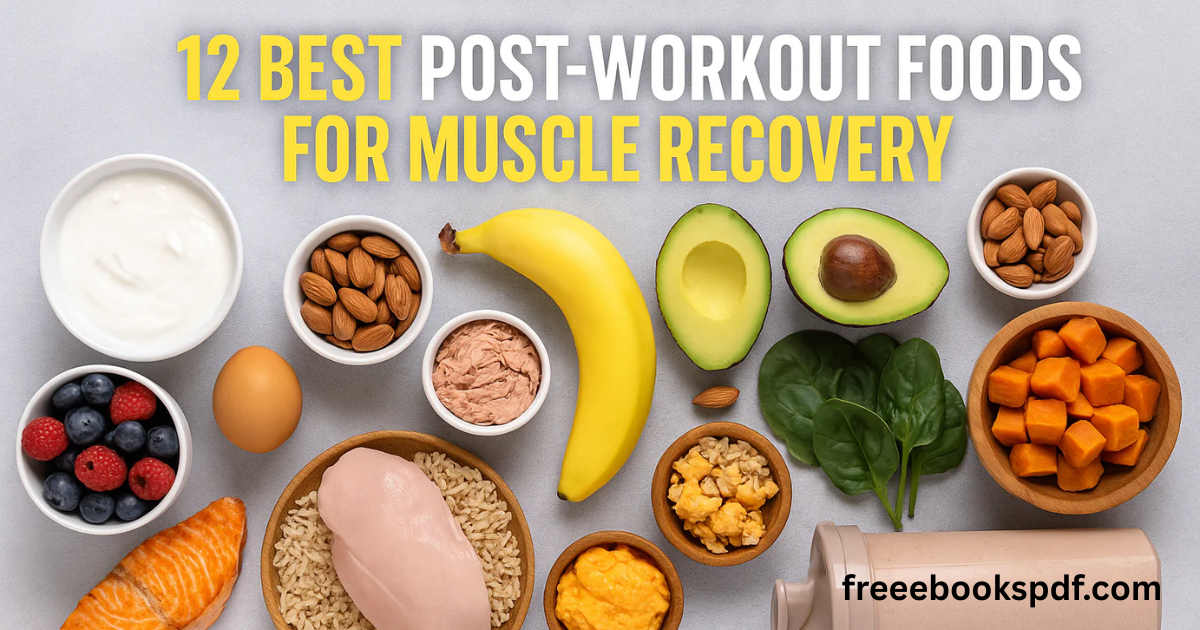
When it comes to building muscle, recovering faster, and improving overall fitness, what you eat after a workout is just as important as the workout itself. Proper post-workout nutrition helps your body repair muscle fibers, restore energy, and prepare for the next training session. Many people overlook this crucial step, focusing only on training, but consuming the right foods after exercise can maximize muscle growth and reduce fatigue.
In this guide, we’ll explore what to eat after workout for muscle recovery, why it matters, and give you practical meal ideas that are simple, effective, and nutrient-rich.
The importance of Post Workout Nutrition
When you get through with the exercise, your muscles get little tears and your glycogen (energy) stores become exhausted. It is a normal process, although when one does not eat properly, the muscles will take longer time to repair, and recovery will be a long process.
Explore cheap high-protein meals for muscle gain with easy, budget-friendly recipes.
Consuming the right foods in the post workout will guarantee:
- Faster muscle repair
- Replenished glycogen levels
- Reduced muscle soreness
- Improved performance in the later workouts.
A balanced meal is advisable within 30-60 minutes following a training and this is commonly known as the anabolic window when your body muscles are most likely to receptive to nutrients.
Protein: The Secret of Muscle Building
Protein is needed in muscle recovery and growth. When one is exercising, the muscles are torn and the protein assists in repairing the muscles with greater strength. Goal protein after exercise should be 20-30 grams to trigger recovery and development.
Want a complete breakdown of protein benefits? Read our full guide on Egg vs chicken protein: which is better? to compare nutrition, muscle-building benefits, and weight loss advantages in detail.
Optimal sources of proteins are:
- Lean meat products: Chicken breast, turkey, lean beef.
- Eggs: Good protein that contains vital amino acids.
- Dairy: cottage cheese, Greek yogurt.
- Plant proteins Lentils, chickpeas, tofu, tempeh.
Protein combined with other nutrients aids in the faster and efficient recovery of your body.
Carbohydrates: Rejuvenate Energy Boosters
Carbohydrates restore body glycogen strength after a workout as they are very low at the time. Carbohydrate combined with protein enhances muscle protein synthesis and reduces muscle recovery.
Good carbohydrate options:
- Whole grains: Quinoa, oats, brown rice.
- Fruits: Apples, bananas, and berries.
- Starch vegetables: Squash, sweet potatoes.
- Legumes Lentils, chickpeas, black beans.
The presence of complex carbs will guarantee the constant energy release and avoid blood sugar spikes.
Healthy Fats: Healthy Recovery and Hormones
Although fats cannot be considered as the key nutrient to post-workout recovery, good fats can be used to reduce inflammation and hormone control needed to grow the muscles.
Recommended fats:
- Avocado
- Nuts and seeds (flaxseeds, chia seeds, almonds, etc.)
- Extra virgin olive oil or coconut oil.
Consumption of high-fat meals should be limited as soon as one is done with the exercise since excess fat can slow down the digestive system and slow down the absorption of nutrients.
Hydration: It is So Easy to Forget Water
Sweat brings fluid and electrolyte loss as a result of exercise. The hydration is necessary to:
- Maintain muscle function
- Minimize pain and stress.
- Speed up recovery
Tips for hydration:
- Consume a lot of water after the exercise.
- Electrolytes lost can be replaced using coconut water or natural fruit juices.
- In case of vigorous workouts, a small electrolyte drink is to be taken into account.
- Timing Matters
To repair your muscles to the fullest, have your post-workout meal not more than 30 to 60 minutes. In case you are not in the mood to have a full meal, a quick bite such as the Greek yogurt with berries or a banana and peanut butter works well.
Sample Post-Workout Meals
The following are some of the easy, simple, and balanced meal plans after a workout:
The first one is Chicken and Quinoa Bowl.
- 150g roasted chicken breast.
- ½ cup cooked quinoa
- Baked potatoes (lightly spiced with butter and salt)
- 1/2 teaspoon drizzle olive oil.
- Protein Smoothie
- 1-scoop whey or plant-based protein.
- 1 banana
- 1 cup almond milk
- 1 tbsp peanut butter
- Handful of oats
Eggs and Sweet Potato are also a good source of starch.
- 2-3 hard or soft-boiled eggs.
- 1 medium baked sweet potato.
- Slices on the side of avocadoes.
- Greek Yogurt Parfait
- 1 cup Greek yogurt
- ½ cup mixed berries
- 2 tbsp low-fat or skim milk or almond milk.
- 1 tsp honey
These are meals that are protein, carbs and healthy fats that are used to recover.
Recovery (Optional) Supplements
Whole foods are not to be replaced by supplements, which can be useful in the case your diet is deficient in some nutrients. Popular options include:
- Protein powders: Whey or vegetarian.
- BCAAs: Facilitate muscle regeneration.
- Creatine: Strength and recovery.
Supplements are ideal when included in a healthy nutritional post-workout meal.
What Not to Eat after Workout
Other foods will delay recovery or cause muscle repair to be impaired, including:
- Processed snacks that contain a high amount of sugar: Candy, pastries.
- Deep-fried foods: Fries, burgers.
- Alcohol: Decreases the synthesis of proteins and retards healing.
Pay attention to whole and minimally processed foods in order to provide your muscles with what they require.
Conclusion
The major one is knowing what to eat after a workout to build muscle so that you can attain your fitness objectives. Eat more protein and carbs, eat a little healthy fats, drink plenty of water, and also eat at the right time. Such practices aid in the quicker healing of muscles, alleviation of pain as well as long-term development.
These meals and snacks should be a part of your after work out regimen starting today and the muscles will reward you tomorrow.
Check out these high-protein snacks without protein powder for quick, budget-friendly options.