Category: Food Problems & Solutions

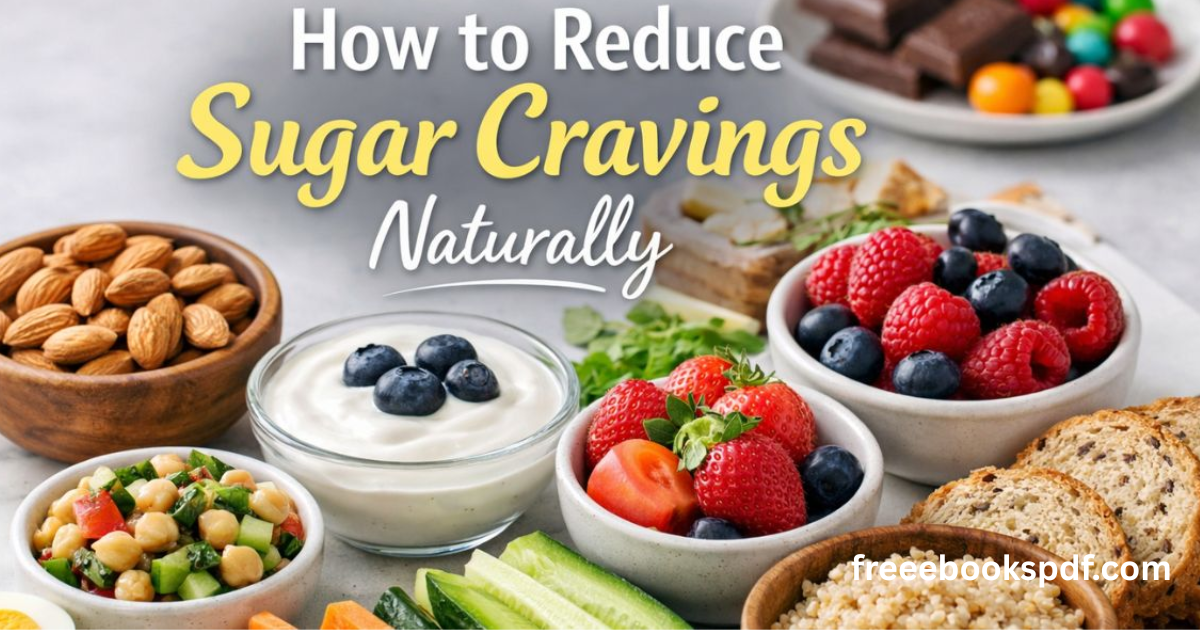
  • Healthy snacks to stop sugar cravings

    Healthy snacks to stop sugar cravings

    Sugar cravings can hit anyone at any time, making it difficult to stick to a healthy diet. Consuming too much sugar not only leads to weight gain but can also cause energy crashes, mood swings, and long-term health issues like diabetes and heart disease. The good news is that there are plenty of healthy snacks that can curb sugar cravings while keeping your body fueled and satisfied.

    In this guide, we’ll explore the best snacks to help stop sugar cravings, why they work, and practical ways to incorporate them into your daily diet.

    Fresh Fruit- The Sweet and Natural Nutritious

    Fruits are the candy of the nature. They also contain natural sugars and fiber, vitamins, and antioxidants, which render them healthier than the processed sweets.

    Best options:

    • Apples
    • Berry (strawberries, blueberries, raspberries).
    • Oranges and mandarins
    • Grapes

    Wondering why you feel hungry after eating even when you just finished a meal? Find out the surprising reasons and how to fix it.

    Tip:

    Serve fruits with a small portion of nuts or Greek yogurt to provide more protein and satiety. It is a combination that does not allow blood sugar spikes and helps avoid cravings.

    Protein-Packed Snacks Nuts and Seeds

    Nuts and seeds contain high levels of healthy fats, protein, and fiber that maintain the normal level of sugar in the blood and suppress cravings to sugar.

    Best options:

    • Almonds
    • Walnuts
    • Cashews
    • Pumpkin seeds
    • Sunflower seeds

    Tip:

    Use raw or indirectly roasted nuts that are not added with sugar or salt. Carry a pack of snacks that can be used when one feels like snacking.

    Greek Yogurt- Silky and Gratifying

    Greek yogurt has many benefits such as the ability to quench any sweet craving in addition to supplying the body with protein and probiotics aimed at maintenance of a healthy gut. Its creaminess may be used to replace the decadence of desserts without the sugar.

    Tip:

    Naturally add a drizzle of honey, sprinkle of cinnamon or a few berries to add sweetness. There are not to be found flavored yogurts that contain hidden sugars.

    Dark Chocolate- Healthy Snack.

    Dark chocolate which has 70-100 cocoa concentration or above has less sugar compared to milk chocolate and is abundant in antioxidants. It will help quench cravings of sweets but will not make one overly loaded with sugar.

    Tip:

    Eat a square or two when you are in need of something sweet. It can be paired with nuts also to increase satiety.

    Energy Balls Easy and Convenient

    Date, oat, nuts, and seed energy balls are very good in checking sugar cravings. They are a natural source of sweetness using dates and fiber as well as protein that slow down digestion and maintain the energy levels constant.

    Tip:

    Prepare a batch in the house and keep them in the refrigerator to have a snack. You can also put in cocoa powder or coconut which has been shredded.

    Veggie Hummus- Savory Sweet Craving Alternative

    In some cases low protein or fat in the body is manifested through sugar cravings. Cruchy vegetables such as carrots, celery and bell peppers served with hummus are a good snack that helps in stabilizing the blood sugar.

    Tip:

    Eat fresh vegetables and not chips purchased in stores. Hummus is rich in protein and omega-3, which ensure longer satiety.

    Cottage Cheese- Protein Rich and Sweetly Friendly

    Cottage cheese contains high concentration of protein and low sugar levels and therefore could be used as a filling snack. It can be sweetened naturally by the use of fruit, cinnamon or the addition of a drizzle of honey.

    Tip:

    Cottage cheese mixed with pineapples, peaches, or berries is a creamy and sweet snack that would satisfy the cravings of sugar but keep them within a reasonable limit.

    Oats and Overnight Oats – Slow-Release Energy

    The high fiber content and complex carbohydrates in oats contain slow-release energy and they prevent spikes in sugar levels. Overnight oats may be made using milk or yogurt, chia seeds, and fruits to have a naturally sweet snack.

    Tip:

    Refined sugar should be avoided. Natural sweetness may be used with mashed banana, unsweetened applesauce or few berries.

    Smoothies- Complete and Nutritious

    Sugar cravings can be stopped by using smoothies with fruits, vegetables, protein powder, and healthy fats such as nut butter. They are rich in fiber, protein, and the necessary nutrients and leave you full.

    Tip:

    Fruits should be used rather than fruit juice because it will give the highest amount of fiber and least sugar spikes. Can add spinach, kale or chia seeds as they add in nutrients without changing flavor.

    Bacon Rice Cakes and Nut Butter Crunchy and Sweet

    Rice cakes with almond or peanut butter can be a crunchy and filling snack that can be substituted to the texture of a dessert and contain protein and healthy fats.

    Tip:

    Top with bananas or strawberries to add additional flavour and the natural sweetness.

    Eating Useful Hacks to decrease cravings of sugar

    Although healthy snacks aid, it is necessary to embrace lifestyle habits that alleviate the desire to eat sugar without any artificial way:

    • Eat in regular time so that there can be no sudden drops in the blood sugar.
    • Keep hydrated; at times we are actually thirsty.
    • Deal with stress by meditating, exercising or hobbies.
    • Keep production of sugary foods at home in order to discourage temptation.

    Final Thoughts

    The desire to eat sugar is a normal occurrence but you do not need to be a slave to what you eat. With the help of such healthy snacks as fruits, nuts, yogurt, and energy balls, you will be able to satisfy your sweet tooth and not damage your health. Combination of these snacks with balanced meals, hydration, and sleeping habits will assist ensure that the urge to snack on sugary food will be kept under control and that the body will have a consistent energy source throughout the day.

    It is important to remember that the idea is not to stop being a sugar addict completely but to substitute unhealthy and processed sweets with healthier, rich in nutrients options that will nourish your organism and keep your cravings in a natural way. Struggling to curb those sugar cravings during the day? Discover delicious and healthy snacks that keep you full and satisfied.
  • What to eat when you have no energy

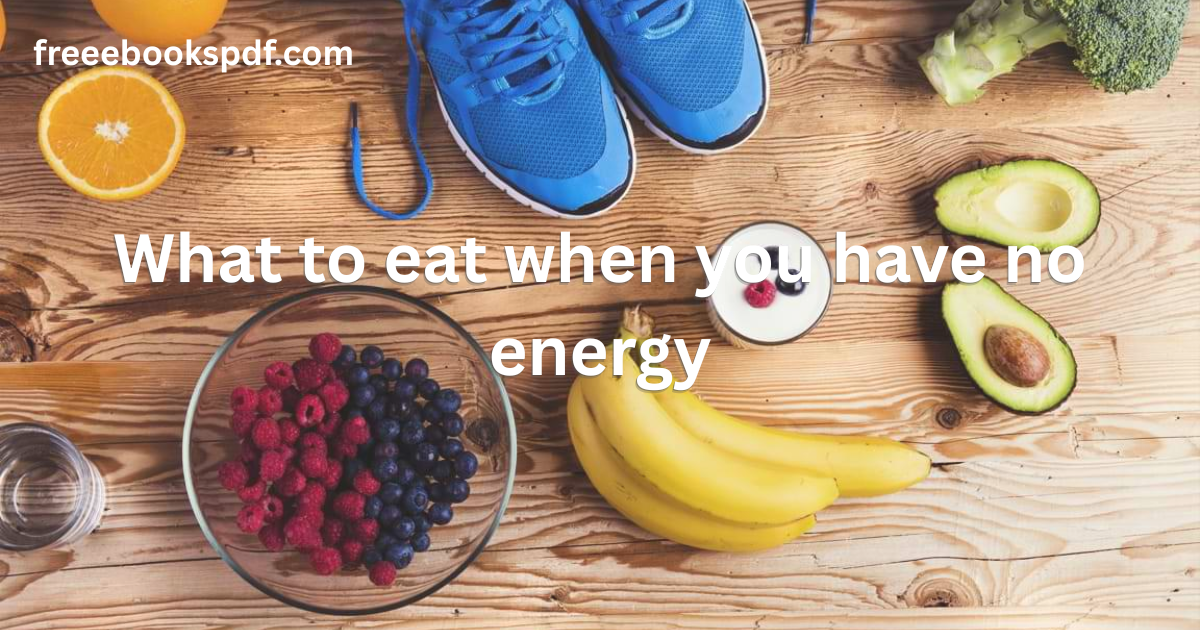
    What to eat when you have no energy

    Feeling drained, sluggish, or completely out of energy is a common problem in today’s fast-paced lifestyle. Fatigue can affect your productivity, mood, and overall health. While sleep and exercise are crucial for maintaining energy, what you eat plays a significant role in keeping your body fueled throughout the day. Choosing the right foods can help you regain energy, improve focus, and avoid those mid-day crashes.

    In this guide, we’ll explore the best foods to eat when you have no energy, why they work, and practical tips for keeping your energy levels high naturally. Looking for ways to satisfy your sweet tooth without harming your health? Check out our guide on healthy snacks to stop sugar cravings. Read more here: https://freeebookspdf.com/healthy-snacks-to-stop-sugar-cravings/

    Bananas -The Powerhouse of Nature

    Natural sugars that are abundant in bananas include glucose, fructose and sucrose, which give fast energy. They also contain potassium in large quantities and this aids in keeping the muscles and nerves well functioning.

    Tip:

    Always have a banana as a snack in the middle of the day or afternoon when one is feeling low on energy. Have it with a few nuts as a source of energy.

    Oats – Long-Lasting Energy

    Oats contain a great amount of complex carbohydrates, which are energy releasing substances that are released slowly in the long run. They are also high in fiber and it makes blood sugar levels stable and avoid energy crashes.

    Tip:

    Have a bowl of oatmeal in the morning with fruit, seeds or a spoon of nut butter. Staying superbly energetic will not require adding too much sugar.

    Eggs – Protein-Packed Fuel

    Both eggs contain high quality protein and essential amino acids that are essential in repairing tissues and preserving the energy levels. Foods containing a lot of protein help to avoid sharp rises or falls in blood sugar levels, which cause one to feel sleepy.

    Tip:

    Eggs that have been boiled, scrambled, or poached are a fast source of energy in the form of breakfast or snack. They go well with whole-grain toast as a whole meal.

    Nuts and Seeds Quick Energy Fix

    Healthy fats, protein, and fiber are found in nuts such as almonds, walnuts, and cashews as well as the seeds such as chia, flax, and pumpkin seeds. These are nutrients that offer slow and constant energy provision.

    Tip:

    Always keep a small pack of nuts and seeds in the office or in school to have the energy lapses.

    Probiotics and Protein Greek Yogurt

    Greek yogurt contains a lot of protein, calcium and probiotics, thus it is a good choice in enhancing energy. Protein balances the sugar level, whereas probiotics enhance the good health of the gut, which is associated with general energy level.

    Tip:

    Greek yogurt with fruits, honey or granola as a healthy snack or breakfast.

    Leafy Greens – Nutritional Energy

    Vegetables, such as spinach, kale, and Swiss chard, have been found to contain a lot of iron, magnesium, and B vitamins, which are critical to the generation of energy in the body. Iron also assists in the transport of oxygen to the cells and the B vitamins convert the food to energy which is used.

    Tip:

    Add a smoothie or leafy green salad to your diet. Squeegee lemon to increase the absorption of nutrients.

    Dark Chocolate – Healthy Energy Treat

    Dark chocolate that has a cocoa content of 70 percent or more includes caffeine and theobromine which can give one a temporary energy boost. There are also antioxidants in it, which decrease oxidative stress and elevate mood.

    Tip:

    Eat a small square (12 squares) of dark chocolate when you are feeling exhausted. Energy crashes can be avoided by not taking chocolate that is high in sugar.

    Whole Grains -Constant Energy Discharge

    Complex carbohydrates and fiber found in whole grains such as brown rice, quinoa, barley, and whole wheat bread are slow in giving energy and long lasting. They eliminate spikes and crashes in the level of blood sugar in contrast to refined grains.

    Tip:

    Add whole grains to your diet, including brown rice and vegetables or whole-grain pasta as a lunch or dinner.

    Citrus Fruits: 9 Refreshing Energy Boost

    All fruits such as oranges, grapefruits, lemons and limes contain vitamin C that increases energy and boosts the immune system. The mental and physical energy is also enhanced by the natural sugars as well as the refreshing taste.

    Tip:

    Take a glass of fresh orange juice in the mornings or put some of the citrus fruit in your water to make you feel more refreshed.

    Water -Hydration to give Energy

    Fatigue is one of the major causes of dehydration. Mild dehydration may influence the level of energy, mood and concentration. Consumption of water will make sure that your body is running well and you do not get tired.

    Tip:

    Have a bottle of water at hand and strive to take 8-10 glasses of water daily. Alternatives can be herbal teas and infused water too.

    Lean Protein – Long-lasting Energy

    Proteins such as chicken, turkey, tofu and fish also contain lean protein, which maintains the stability of blood sugar levels and repair of muscles. Energy levels in the body are maintained by high protein meals, which makes you active.

    Tip:

    Eat a small amount of protein that is lean in every meal to ensure that you do not run out of energy.

    Beans and Legumes – Low-Carb Energy

    Complex carbohydrates, protein and fiber, which are found in beans, lentils and chickpeas, are known to supply long-lasting energy. They lower sugar spikes and keep you longer and longer.

    Tip:

    Beans added to salads, soups or stews can be counted as an energy boosting meal.

    Natural Ways to Energize your Life

    Although it is important to consume the energy-enhancing foods, some practices may complement the energy levels:

    • Consume balanced diets that have protein, carbohydrates and good fats.
    • There should be no excessive amounts of caffeine and sugar that cause crashes.
    • Work out to feel better and more energetic.
    • Put sleep first to be rejuvenated and maintain high energy.
    • Get mini breaks in the course of work or studying.

    Final Thoughts

    Sexual exhaustion and insufficiency does not necessarily have to be a state of being. The healthy lifestyle habits along with the right foods are capable of making a significant difference in the way you feel during the day. Such foods as bananas, oats, eggs, nuts, and leafy greens are the best sources of energy giving nutrients that your body needs and being hydrated and getting enough sleep keeps your body in its optimum state.

    Fatigue can be solved by adjusting to your meals and paying attention to your habits, which will allow you to have a natural reservoir of energy and be productive and active. Feeling uncomfortable after meals? Find out which foods cause bloating and learn how to avoid them for better digestion.

    Read more here: https://freeebookspdf.com/foods-that-cause-bloating-avoid-these/

  • Foods that cause bloating (avoid these)

    Foods that cause bloating (avoid these)

    Bloating is one of the most uncomfortable digestive issues that can affect anyone, regardless of age or lifestyle. It often leads to a feeling of fullness, stomach discomfort, and sometimes even pain. If you find yourself frequently experiencing bloating, your diet may be the main culprit. Understanding which foods cause bloating can help you prevent this problem and improve digestion.

    In this guide, we’ll explore the common foods that lead to bloating, why they affect your digestive system, and what alternatives you can try to keep your stomach comfortable. Struggling to curb those sugar cravings during the day? Discover delicious and healthy snacks that keep you full and satisfied.
    Beans and Lentils

    Beans and lentils are good sources of fiber and protein and hence are a healthy adoption in most diets. They however have some sugars known as oligosaccharides that can hardly be broken down by the body. These are sugars which ferment in the gut and cause gas hence resulting in bloating.

    Tip:

    Beans should be soaked and then washed thoroughly before cooking. Slowly add more fiber in your diet so that your intestines have time to adapt.

    Frustrated that your diet isn’t working? Learn why you are not losing weight despite dieting and how to get back on track.

    Cruciferous Vegetables

    Broccoli, cabbage, cauliflower, and Brussels sprouts are vegetables that are high in fiber and nutrients. Regrettably, they also have raffinose which is a type of sugar, and the gut has difficulty digesting it. This may lead to the occurrence of gas and bloating particularly when consumed in a large amount.

    Tip:

    These vegetables are better cooked rather than eaten raw. Their digestion can be made easier by steaming or roasting.

    Carbonated Drinks

    Carbon dioxide is added to sodas, sparkling water and any other fizzy drinks to add gas to the digestive system. This may cause it to end up pressurized and make the stomach bloated.

    Tip:
    Instead of using the carbonated beverages, use still water or herbal teas or infused water.

    Dairy Products

    In case you are lactose intolerant, milk, cheese or yogurt would make you feel bloated. The sugar in the dairy, lactose, cannot be adequately digested in the small intestine and instead, it results in the production of gas in the colon.

    Tip:

    Use almond milk, coconut milk or lactose-free milk. Some people can also find it easier to digest yogurt with live cultures.

    Artificial Sweeteners

    Sorbitol, mannitol and xylitol are some of the sugar substitutes in sugar-free candies, gum, and diet products. Such sweeteners do not get completely absorbed in the gut and ferment leading to gas and bloating.

    Tip:

    Avoid foods that contain artificial sweeteners and eat natural sweeteners in moderation such as stevia.

    Junk Foods and High-Sodium Products

    Salt is also found in high levels in processed food, fast food, and ready-made food. Sodium attracts water into the digestive system and this may make your stomach feel like it is swollen and heavy.

    Tip:

    Select fresh and whole food and prepare meals at home to manage the sodium content.

    Onions and Garlic

    Onions and garlic are also sources of fructans which is a form of carbohydrate that is not easily digested by some individuals. These are able to ferment in the gut resulting in gas and bloating.

    Tip:

    Preparation and consumption of onions and garlic should be done before eating or you can take small portions and monitor how your body responds.

    Whole Grains

    Although grains in their entire form such as wheat, barley, and rye are high in fiber and nutrients, they have fermentable carbohydrates (FODMAPs) that may cause bloating in individuals with delicate digestive tracts.

    Tip:

    There is a possibility of switching to low-FODMAP grains such as rice, quinoa or oats in case you feel bloated after eating whole wheat.

    Pears, Apples and Stone Fruits

    Some of the fruits have fructose or sugar alcohols not necessarily absorbed in the gut. Excessive consumption of these fruits may cause gastric emission and bloating.

    Tip:

    Fruits are to be eaten sparingly and mixed with protein or fat to slow down the digestion process.

    Chewing Gum

    The chewing gum may make you swallow air that may build up in your stomach and result in bloating. Chewing gums that contain sugar or that are sweetened with artificial sweeteners may aggravate the situation.

    Tip:

    Reduce chewing of gums and use mints or fresh fruit instead.

    Fried and Fatty Foods

    High fat foods such as fried foods, fast food and creamy sauces reduce the rate of digestion. This latency enables the food to linger in the stomach more and this gives the impression of fullness and bloating.

    Tip:

    Select healthy fats such as olive oil or avocado and eat in moderation, select baked, grilled, or steamed foods.

    The way to Reduce Bloating in a Natural Way

    Although it is possible to avoid or restrict such foods, there are also lifestyle changes, which enhance the digestion:

    • Swallowing of air is reduced by eating slowly.
    • Take a lot of water to help in digestion.
    • Take probiotics such as yogurt or kefir to enhance intestinal bacteria.
    • Work out to help in increasing the digestive tract.
    • Track food triggers to discover what foods you are bloated by.

    Final Thoughts

    Bloating may be annoying and irritating but this is usually avoidable. You can enhance digestion and feel much lighter and more comfortable throughout the day by learning which foods can make you feel bloated and make minimal dietary changes to that end.

    It is important to keep in mind that the digestive system of each person is different. The food journal and symptom monitoring can assist you to discover your own triggers and stay a bloat-free and healthy person. Looking for ways to satisfy your sweet tooth without harming your health? Check out our guide on healthy snacks to stop sugar cravings. Read more here: https://freeebookspdf.com/healthy-snacks-to-stop-sugar-cravings/

  • Why you are not losing weight despite dieting

    Why you are not losing weight despite dieting

    Losing weight is often seen as a simple formula eat less and move more. But in reality, many people struggle with the frustrating question—why are you not losing weight despite dieting? If you’ve been following a diet plan consistently but still don’t see results, there are several hidden factors that might be holding you back.

    This detailed guide will help you understand the real reasons behind stalled weight loss and how to overcome them effectively. Feeling uncomfortable after meals? Find out which foods cause bloating and learn how to avoid them for better digestion. Read more here: https://freeebookspdf.com/foods-that-cause-bloating-avoid-these/

    You are consuming more calories than you think about.

    Undertaking their calorie intake is one of the greatest mistakes that people commit. Calories do not go away even when sitting at the dining table having what is considered to be healthy. Examples of foods that are healthy but are high in calories include nuts, peanut butter, smoothies and salad dressings.

    Such minor things as sweetened beverages, cooking oils, or snacks can cause you to add your calorie consumption, without your awareness, on a daily basis.

    Wondering why you feel hungry after eating even when you just finished a meal? Find out the surprising reasons and how to fix it.

    What to do:

    Begin monitoring your food intake with a calorie counting application. Eat the correct amount of food, and watch out about hidden calories.

    You are not metabolically in a calorie deficit

    The only way to lose weight is by burning a lot of calories than the amount of calories you consume. Provided that your energy consumption is equal to the number of calories you consume in the day, then you will maintain the same weight even when you consume clean food.

    What to do:

    Attain a moderate amount of calorie deficit by:

    • Reducing portion sizes
    • Increasing physical activity
    • Avoiding crash dieting
    • Reason 3: Your Metabolism has changed.

    In the case of long time or radical reduction in calories, your body adjusts to it by reducing your metabolism. This has been referred to as metabolic adaptation and it complicates the additional weight loss.

    What to do:

    • Extreme calorie restriction is to be avoided.
    • Consume adequate protein to keep the muscles.
    • Add muscles training to increase metabolism.

    You are losing your muscles rather than fat

    In case your food does not contain protein or you are not working in the gym and particularly strength training, your body can lose muscles. Muscle is more likely to burn more calories as compared to fat hence loss of it slows down your metabolism.

    What to do:

    Resistance training incorporation into the routine should be at least 34 times a week and there should be sufficient protein intake.

    Bad Sleep Is Ruining Your Success

    Sleep is a subject that is not taken seriously in the weight loss courses. Sleep deprivation causes hormonal imbalances that control hunger, causing one to have more cravings and overeat.

    What to do:

    Strive to have between 7 and 9 hours of sleep in a day. Create a regular sleeping schedule and do not look at the screens before sleep.

    Stress Is Making You Pack on Pounds

    Constant stress boosts the amount of cortisol which is a hormone that facilitates fat storage, particularly in the abdominal region. It is also able to stimulate emotional eating.

    What to do:

    Stress management techniques that I should practice include:

    • Meditation
    • Exercise
    • Deep breathing
    • Spending time outdoors

    You are eating too much of what you consider to be healthy foods

    The problem is that many individuals think that they can consume all the healthy foods without any outcome. Calories however are still important- even when they are of healthy sources.

    An illustration is that one can easily surpass his/her daily caloric requirements due to the consumption of a lot of avocados, nuts, or granola.

    What to do:

    Eat in moderation and balance your foods in terms of protein, carbs and healthy fats.

    You Have Stalled in the Plateau of Weight Loss

    A plateau is a natural period in which it is assumed that you have reached the limit of weight loss even though you are working hard to lose weight. This is because your body becomes accustomed to the diet and activity rate that you are at.

    What to do:

    • Alter your physical exercise.
    • Increase exercise intensity
    • A little bit of calorie consumption.
    • Be steady and maintain patience.

    Hormonal Problems It may include hormonal problems

    The hormones are very important in the regulation of weight. Such conditions as thyroid imbalance, insulin resistance or PCOS may inhibit the weight loss.

    What to do:

    In case, you suspect that it is a hormonal problem, do not neglect to consult a medical professional who will be able to diagnose and treat it right.

    Cheat Meals Are Leaving You Behind

    It is okay to have occasional cheat meals but as long as you have frequent indulgences, your calorie deficit will be nullified. The impact of these meals on their progress is not as great in the eyes of many people.

    What to do:

    Once a week cheat meals and portions should be kept down.

    You Are Not Drinking Enough Water

    Water is necessary in the metabolism, appetite. Your body at times misleads you to think you are hungry when you are actually thirsty and thus you end up eating when you are not hungry.

    What to do:

    Take a minimum of 8-10 glasses of water per day and keep oneself hydrated during the day.

    You are Just Trying to think about the Scale

    The scale does not necessarily indicate the progress that you are making. It might be that you are losing fat and gaining muscle and thus is keeping your weight intact.

    What to do:
    Monitor your progress by means of:

    • Body measurements
    • Progress photos
    • Clothing fit
    • Major Hints to Get Back on Track and Start Losting Weight.

    These are the proven ways to follow in case your diet is not working:

    • Calculate your calories in an accurate manner.
    • Increase protein intake
    • Strength train regularly
    • Improve sleep quality
    • Manage stress effectively
    • Be steadfast and tolerant.

    Final Thoughts

    In case you have not been losing weight even after dieting, then it does not mean that you are not doing it right, it only means that it should be changed. Nutrition, lifestyle, sleep, stress, and hormones are some of the factors that affect the process of weight loss.

    Rather than giving up, work on what it is that may be slowing you down and come up with small and sustainable changes. Always keep in mind that, it is not the perfection but consistency that brings success in the long term. Struggling to curb those sugar cravings during the day? Discover delicious and healthy snacks that keep you full and satisfied.
  • Why you feel hungry after eating

    Why you feel hungry after eating

    Have you ever eaten a full meal and still felt hungry just minutes or hours later? This is a common issue that many people face, and it can make maintaining a healthy diet or losing weight much more difficult. If you often find yourself asking, “Why do I feel hungry after eating?”, the answer usually lies in a combination of your diet, hormones, and lifestyle habits.

    In this detailed guide, we’ll explore the real reasons behind post-meal hunger and how you can fix it effectively. Frustrated that your diet isn’t working? Learn why you are not losing weight despite dieting and how to get back on track.

    Brain: What We Know about Hunger

    Your body has a complex system of controlling hunger, which is composed of hormones, digestion, and brain signals. Hunger is caused by the following two major hormones:

    • Ghrelin – signals hunger
    • Leptin – signals fullness

    When these hormones are in balance, your body gets to know when to eat and when not to eat. Nevertheless, this balance can be broken by lifestyle activities such as stress, insomnia, and unhealthy diets; which makes you hungry despite having eaten.

    1. You are taking too much refined carbohydrates

    Eating food that contains refined carbs is one of the largest causes why you get hungry after you eat. Such food as white bread, sweet sweets and processed food are fast to digest and lead to an increase in blood sugar levels.

    Following this spike, your blood sugar level goes down at a very high rate and this results in sudden hunger yet again.

    Discover delicious and healthy snacks that keep you full and satisfied.

    Common culprits:

    • pasta and white bread.
    • Sugary drinks
    • Packaged snacks

    What to do:

    Substitute simple carbohydrates with complex carbohydrates such as oats, brown rice and whole grains. These take long to digest and makes you stay longer.

    2. Your Meals Protein Lack

    Protein is necessary to make you full. In case your foods are not rich in protein, then your body will not be satisfied enough, even after you have consumed enough calories.

    Why protein helps:

    • Slows digestion
    • Reduces hunger hormones
    • Satisfies your hunger.

    Add more protein:

    • Eggs
    • Chicken
    • Lentils
    • Yogurt

    One of the easiest options to make is to include protein in each meal in order to eliminate constant hunger.

    3. Inadequate Intake of Healthy Fats

    Another important consideration of satiety is healthy fats. Most individuals shun fats because they assume that fats make one gain weight yet some types of fats are beneficial as they keep one hungry.

    Healthy fat sources:

    • Avocados
    • Nuts and seeds
    • Olive oil

    Healthy fats are known to fill your stomach and help in reduction of cravings.

    4. You Could Be Dry

    One is at times hungry, only to realize that it is thirst. Your body will send you a wrong signal of being hungry and having to eat more than you need.

    Indications of water deficiency:

    • Dry mouth
    • Fatigue
    • Headaches

    Quick fix:

    Take a glass of water prior to meals and keep the body hydrated.

    5. Stress and Eating Emotions

    Hunger is not necessarily physical. The desire to eat can be caused by emotional factors such as stress, boredom or anxiety even though the body is not in need of food.

    • Indications of emotional eating:
    • Desire to consume certain comfort food.
    • Having a snack when hungry or in a bad mood.
    • Soon after eating, feels hungry.

    Solution:

    Learn to be mindful in eating and discover your triggers. Instead of eating, use some activities such as walking, journaling or relaxing.

    6. Sleep Deprivation Within the realms of eating

    Sleep does a significant part in controlling the hunger hormones. When you fail to get a sufficient amount of sleep:

    Ghrelin (hunger hormone) increases
    Leptin (fullness hormone) reduces.

    This disproportion causes you to be hungry during the day- even after eating.

    Tip:

    The quality of sleep you have at night should be 7-9 hours, and that will help you maintain your appetite.

    7. You’re Eating Like Crazy

    Eating fast does not allow your brain to realize that you are full. Fullness signals need approximately 1520 minutes to be transmitted within your body.

    Result:

    You can complete eating and then you become hungry once again.

    Fix:

    • Eat slowly
    • Chew thoroughly
    • Do not be distracted by distractions such as phones or TV.

    Mindfulness enhances satisfaction and digestion.

    8. High Sugar Intake

    Sugar gives instant energy but it does not satiate. Once you have eaten sugary foods, the energy levels go down and you get hungry once again.

    Avoid:

    • Candy
    • Sugary desserts
    • Soft drinks

    Replace with:

    • Fruits
    • Natural sweet foods
    • Whole snacks

    It is possible to reduce your sugar consumption and this can make your hunger under control.

    9. Low Fiber Intake

    Fiber is necessary to the digestion and fullness. Low-fiber diets will cause you to be unsatisfied with what you have eaten.

    High-fiber foods:

    • Vegetables
    • Fruits
    • Whole grains
    • Beans and legumes

    Fiber reduces the rate of digestion and stabilizes the blood sugar levels.

    10. Possible Medical Reasons

    In case you are always hungry, even when you eat well, it might be related to such medical conditions as:

    • Diabetes
    • Thyroid issues
    • Hormonal imbalances

    In case your hunger is excessive or out of control, it is better to seek the services of a healthcare professional.

    How to be Fuller Longer

    These are the simple and practical measures to avoid the hunger following the eating:

    Eat Balanced Meals

    Combine:

    • Protein
    • Healthy fats
    • Fiber-rich carbs

    Drink Enough Water

    • Much of the false hunger is avoided through hydration.

    Yes! Manage Servings of Sweetened Food.

    Restrict processed and high sugar foods.

    Practice Mindful Eating

    Pay attention to what you are eating and pay attention to your body.

    Improve Sleep Quality

    Sleeping makes one have more control over appetite.

    Conclusion

    After eating, it does not always mean that one is hungry and requires more food. In the majority of instances, it is associated to poor dietary choices, hormonal disequilibrium, or way of life customs such as stress and sleeplessness.

    All you need to do is to make minor adjustments: add more protein and fiber, maintain hydration, eat at a slow pace, and get sufficient rest to become much less hungry and feel content with your meal.

    The initial step to eat healthier and lead a better life is the knowledge of the hunger cues of your body. Looking for ways to satisfy your sweet tooth without harming your health? Check out our guide on healthy snacks to stop sugar cravings. Read more here: https://freeebookspdf.com/healthy-snacks-to-stop-sugar-cravings/