Category: Fitness & Protein

  • Egg vs chicken protein which is better?

    Egg vs chicken protein which is better?

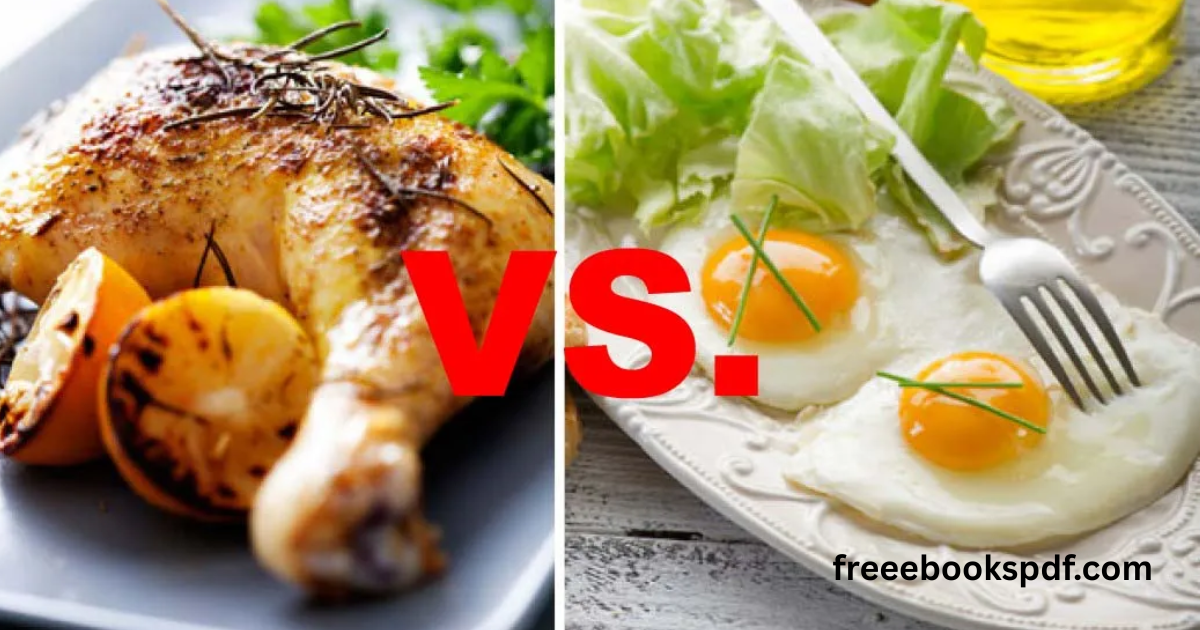
    When it comes to building muscle, losing weight, or simply maintaining a healthy diet, protein plays a crucial role. Among the most popular and affordable protein sources worldwide, eggs and chicken stand out. But the common question remains: egg vs chicken protein—which is better?

    In this comprehensive guide, we’ll compare both options in terms of nutrition, muscle-building potential, weight loss benefits, and overall health impact to help you make the right choice. If you’re exploring plant-based options, check out our detailed guide on
    Vegetarian protein sources for muscle gain to discover powerful meat-free foods that help build muscle effectively.

    Nutritional Overview

    The initial step to this question is to understand the nutritional profile of eggs and chicken so that one can make a decision about which is better.

    • Eggs (1 Large Egg – ~50g)
    • Protein: 6–7 grams
    • Calories: ~70 kcal
    • Fat: 5 grams
    • Cholesterol: ~186 mg
    • Nutrients: Selenium, choline, Vitamin D, Vitamin B12.
    • Chicken Breast (100g Cooked)
    • Protein: 25–31 grams
    • Calories: ~165 kcal
    • Fat: 3–4 grams
    • Cholesterol: ~85 mg
    • Nutrients: vitamin B 6, niacin, phosphorus.

    Significant Point: Chicken is a much more concentrated source of protein, and thus it offers a lot more of it in a single serving. Nonetheless, eggs provide more sources of essential nutrients.

    Powering up the engine Protien Quality and Amino Acids

    Egg and chicken are complete sources of proteins, i.e. they have all the nine essential amino acids which the body cannot synthesize.

    If you’re looking for quick and easy options to fuel muscle recovery between meals, check out our guide on High‑Protein Snacks Without Protein Powder.

    The eggs are commonly known as the gold standard of protein because of the high biological value and digestibility. Eggs contain protein which is readily absorbed and well utilised in the body.

    On the other hand, chicken too is a good protein source, particularly a good source of amino acids such as leucine that is also important in muscle development.

    Verdict Both are good, but eggs are slightly better in terms of protein quality, whereas chicken has more volume.

    What Is superior in Muscle Gain

    In case you want to gain muscle, it is important to consume protein.

    • Chicken Breast Advantages:
    • Large amounts of protein per serving.
    • Low fat (particularly, skinless)
    • Perfect to achieve protein requirements on a daily basis.
    • Egg Advantages:
    • Contains healthy fats
    • Helps in hormone secretion (which is significant in muscle building)
    • Convenient and quick to prepare

    Aligning with this recommendation, it is best to choose Chicken as the main protein source to build muscle because it has a high protein density. Nevertheless, eggs are a good addition to supplement the general nutrition.

    Eggs vs. Chicken: Which is better on a ketogenic diet?

    Eggs and chicken have the same effect of being supportive in weight loss, albeit in a given way.

    Eggs to lose weight:

    Eggs are very satisfying and may make one less hungry during the day. Having eggs in the breakfast has been found to decrease the total calories.

    Weight loss Chicken:

    Chicken breast is rich in protein but low in fat hence it is good in terms of preserving muscle mass and losing fats. It maintains your metabolism and helps you to burn fats.

    Both are good options, eggs are good in controlling the appetite and chicken aids in the lean muscle as well as fat burning.

    Health Considerations

    Eggs:

    Eggs have been previously criticized to be high in cholesterol but recent studies have proven that mostly they are safe provided that they are taken moderately. They also contain a lot of choline that is beneficial to the brain.

    Chicken:

    Chicken is a low protein source of food particularly when it is roasted, baked, or boiled. Nevertheless, chicken cannot be consumed as processed or fried because of additional fats and sodium.

    Hint: Pay attention to healthy cooking techniques to derive the best out of the two foods.

    Digestibility and Absorption

    The egg protein is very easy to digest and get absorbed in the body and so, it is a good choice in the recovery after workouts.

    The digestion of chicken protein is a little slower and it results in a consistent supply of amino acids in the body which is useful in maintaining a continuous muscle repair.

    Summary: Eggs are best to eat fast, whereas chicken is more suitable to have long-term supply of proteins.

    Cost and Accessibility

    Affordability is a significant factor to many people.

    Eggs are mostly cheaper and are very common.
    Chicken is a little more costly yet is still affordable among other sources of proteins.

    Verdict: The winner in terms of low budget diets is Eggs.

    Best Time to eat Eggs vs Chicken

    Protein timing may help improve the outcome:

    • Breakfast: eggs are fast, healthy and full of energy.
    • After exercise: Eggs and chicken are both effective.
    • Lunch/Dinner: Chicken is a high-protein, food that is more satisfying.

    Both of them should be included all day long, as a measure of balanced nutrition.

    Got to combine eggs and chicken?

    The combination of both can be the strategy actually.

    When eggs and chicken are eaten together they will give:

    • Full-fledged amino acid profile.
    • Increased total protein consumption.
    • Increased muscle recovery and development.

    Example meal:
    Grilled chicken breast and boiled eggs and vegetables are a strong and balanced protein meal.

    Final Comparison

    • Feature Eggs Chicken
    • Protien per Serving Moderate High.
    • Fat Content Increased Decreased.
    • Nutrient Density Very high High.
    • Cost Low Moderate
    • Body Muscle Good Excellent
    • Weight Loss Excellent Excellent.

    Final Verdict

    Therefore, in the argument of protein of eggs and chicken, which is better to have?

    Go with chicken when your primary objective is to consume a large amount of protein and build up the body muscles.
    Select the eggs in case you need a nutritious, cheap, and versatile food.
    Select the two when you are after optimum results.

    The most intelligent thing to do is not to pick between them, but to use both of them in your diet depending on your needs.

    Conclusion

    Both eggs and chicken are potent sources of protein and have their own advantages. Regardless of whether you are aiming to gain muscle, lose weight, or just have a healthy body, it is better to have both of them in your daily meal as it will be a balanced food and hopefully achieve better outcomes.

    A clever mixture of chicken and eggs will make you attain your health and fitness objectives in a quicker and more effective way. Explore cheap high-protein meals for muscle gain with easy, budget-friendly recipes.
  • Vegetarian protein sources for muscle gain

    Vegetarian protein sources for muscle gain

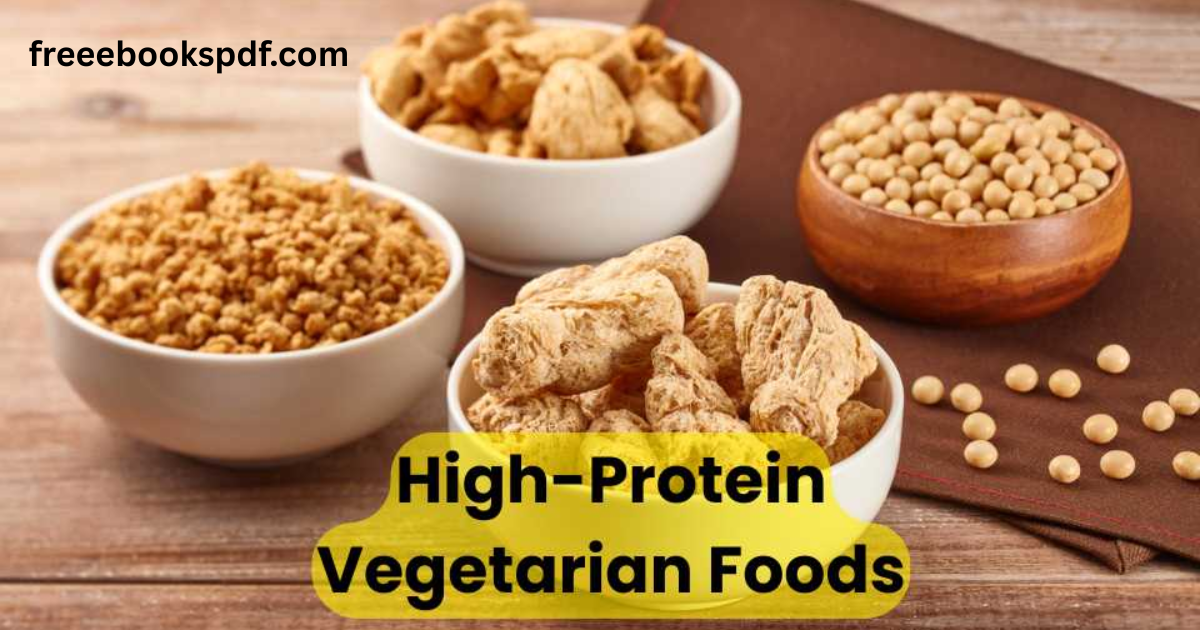
    Gaining muscle doesn’t require a diet full of meat, eggs, or other animal products. With the right vegetarian protein sources, you can build lean, strong muscles while following a plant-based lifestyle. Whether you’re new to vegetarianism or an experienced plant-based athlete, knowing which high-protein vegetarian foods to include is crucial for optimal muscle growth and recovery.

    Explore cheap high-protein meals for muscle gain with easy, budget-friendly recipes.
    The Importance of Protein to Muscle Gain

    The component of muscles is protein. Each time you do some form of strength training or resistance work, your muscle fibers undergo minute micro-tears.

    Increasing the muscle mass, the majority of the experts suggest taking 1.6-2.2 grams of protein per kilogram of body weight per day. To achieve this target, vegetarians need to integrate different sources of plant-based proteins, so that they become complete in the number of essential amino acids.

    The best Vegetarian sources of protein to build muscle

    The following are highly protein vegetarian foods that help in building muscles:

    Lentils: A Powerhouse of Protein for Muscle Building

    Lentils are one of the most effective vegetarian sources of protein and are perfect for muscle gain. They are rich in essential nutrients that support energy production and muscle function.

    Chickpeas

    Garbanzo beans or chickpeas contain 15g of protein in one cup. They can be used in hummus, snacks and salads. Chickpeas contain a high level of fiber, which keeps you saturated as well as aiding digestive health- which is vital to your overall well-being and training performance.

    Quinoa

    Quinoa is among the plant-based complete proteins, i.e. it has all the nine essential amino acids. A single cup of the cooked quinoa has 8gram protein and complex carbohydrates that power your exercises. It may be added to salads, bowls, or used in place of rice to increase the amount of protein.

    Tofu

    Tofu is prepared with soy beans and it is very versatile. One half-cup portion is a source of 10 grams of protein, calcium and iron. Tofu can be stir fried, grilled, blended into smoothies or baked into high protein foods. Its flavor is neutral, which enables it to take up a range of flavors, which makes it a part of vegetarian bodybuilding diets.

    Tempeh

    Another protein that is made of soy is tempeh which is even more protein-rich than tofu. A cup of tempeh contains about 31 grams of protein. It is hard and has a nutty taste and is very good in sandwiches, stir-fries, and savory bowls. Tempeh is also a source of probiotics to the gut to help the body absorb more.

    Seitan

    Seitan, which is a meat substitute, is a gluten of wheat and a high-protein source. Protein is one of the richest sources of vegetarian proteins with a value of about 25 grams in three ounces. The texture of seitan is chewy and it is excellent in stir-fries, sandwiches or grilled. It is perfect with vegetarians in need of a good protein dose.

    Greek Yogurt (Lacto-Vegetarian Choice)

    Greek yogurt is a high protein dairy alternative to lacto vegetarians with 10- 15 grams of protein per cup. It also contains probiotics which is beneficial to the gut health which helps in nutrient absorption and digestion.

    Edamame

    Young soybeans known as edamame contain 17 grams of protein in a cup. They contain a lot of iron, folate and essential amino acids as well. Edamame can also be cooked either by boiling, steaming or roasting, and hence it can be used as an easy and delicious addition to salads, stir-fries or as a protein snack.

    Nuts and Seeds

    Healthy fats and fiber Nuts and seeds such as almonds, peanuts, chia seeds, pumpkin seeds, and hemp seeds contain moderate amounts of protein and are healthy. They are good snacks or toppings to oatmeal, salads or smoothies in order to achieve your daily protein needs.

    Vegetarian Ideas of high protein meals

    A mixture of these sources of proteins can assist you in consuming your daily protein needs and in building muscle mass. The following are an example of a day meal:

    • Breakfast Quinoa porridge with chia seeds and almond butter (20g protein)
    • Lunch: Lentil and chickpea salad, olive oil and roasted vegetables (25g protein)
    • Snack: hemp seeds and berries in Greek yogurt (15g protein)
    • Dinner: Tempeh stir-fry with tofu, broccoli and brown rice (35g protein)

    Tips for Maximizing Muscle Gain on a Vegetarian Diet

    • Combine Proteins: A combination of proteins can be made by combining legumes with grains such as rice or quinoa to have a complete amino acid profile.
    • Frequent Meals: 4-6 smaller meals daily will supply the muscles with a constant nutrition.
    • Strength Training: Frequent resistance training is important to transform protein consumption to real muscle development.
    • Keep Track of Micronutrients: Make sure that you take in the required amounts of iron, zinc, vitamin B12 and calcium to maintain your health.

    Conclusion

    Further supplementing these sources of proteins, strategizing your meals and combining them with strength training will guarantee you achieve your muscles building objectives in a natural manner.

    Adopting a vegetarian diet does not imply that people have to give up on building more muscles. Quite on the contrary, it promotes a healthy, sustainable diet to fitness. If you’re looking for quick and easy options to fuel muscle recovery between meals, check out our guide on High‑Protein Snacks Without Protein Powder.

  • Cheap high-protein meals for muscle gain

    Cheap high-protein meals for muscle gain

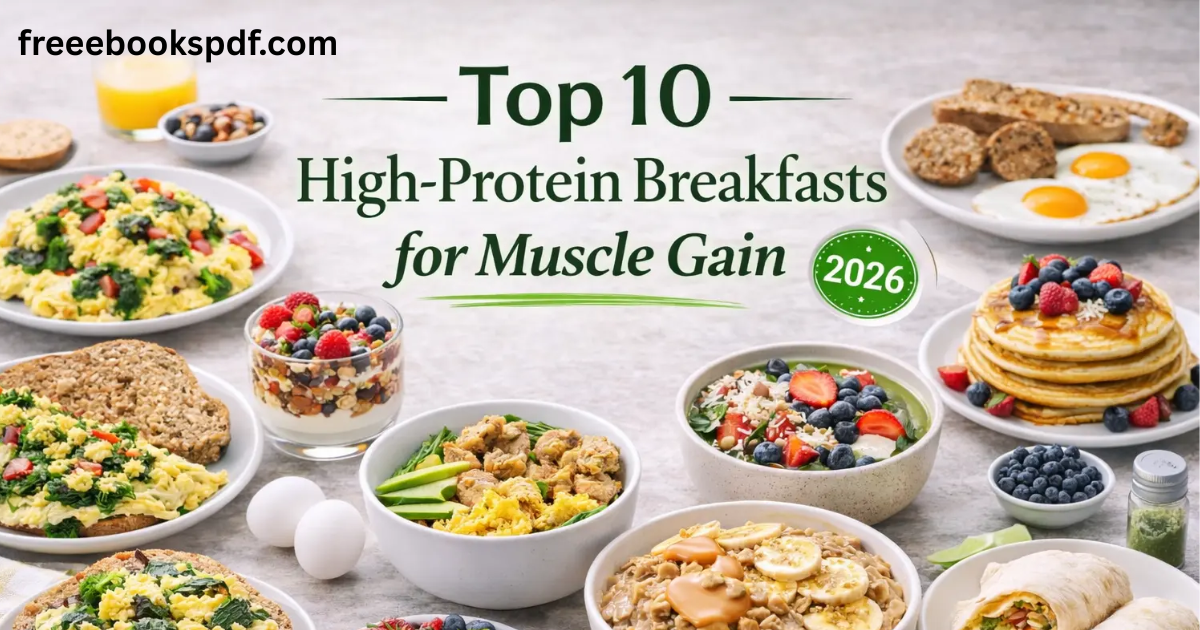
    Gaining muscle doesn’t have to be expensive. Many gym-goers believe that high-protein diets require costly supplements or fancy foods, but the truth is, you can build muscle with cheap high-protein meals that are easy to prepare, nutrient-rich, and wallet-friendly.

    In this guide, we’ll explore the best affordable protein sources, meal ideas, and tips for maintaining a high-protein diet for muscle gain without overspending. Boost your muscle gains with easy and affordable snacks. Check out these high-protein snacks without protein powder for quick, budget-friendly options.

    The reason why Protein is Important to Muscle Growth

    The building block of muscles is protein. During exercise, your muscles are torn in tiny muscles, and protein assists in repairing these muscles and this results in growth. The protein intake that will maximize muscle development is to take 1.22 grams of protein per kilogram of body weight per day, depending on the level of activity and the intensity of training.

    Protein powders are not compulsory and they are expensive. Low-cost foods with high protein such as eggs, beans, lentils, chicken, and yogurt are capable of supplying all the nutrients required in muscle building and keeping your diet budget-friendly.

    Want a complete breakdown of protein benefits? Read our full guide on Egg vs chicken protein: which is better? to compare nutrition, muscle-building benefits, and weight loss advantages in detail.

    Low-cost Source of High-Protein Foods

    Eggs -1 egg has an approximate of 6-7 grams of protein. Eggs can be cooked in various ways such as boiled, scrambled or incorporated into other dishes such as oats or sandwiches.
    Chicken Breast- A low-fat and high protein meat. Purchasing in large quantities or frozen packages is much cheaper.
    Canned Tuna and Sardines- these are cheap, do not require refrigeration and are rich in proteins, hence they are ideal in fast meals.

    For better recovery, check out What to Eat After Workout for Muscle Recovery to understand the best post-workout foods for muscle repair and energy replenishment.

    • Lentils and Beans – This is a plant-based, cheap and rich source of protein and fiber. Lentils, chickpeas, and kidney beans are excellent in soufs, stews and salads.
    • Greek Yogurt- Greek yogurt is a good protein and probiotic, and also, it can be used as a snack or meal supplement after a workout.
    • Peanut Butter- It is a cheap protein and healthy fats source. Idyllic in shakes, on toast or with fruits such as bananas.
    • Oats- Although moderate in protein, oats with milk, eggs, or peanut butter will make an excellent protein breakfast.

    Low-cost High-Protein Meal Recipes

    Breakfast Options

    • Egg and Oat Scramble – The oats must be cooked in water or milk, then 2 eggs should be added, and some vegetables, such as spinach or tomatoes, should be added to enrich the food.
    • Greek Yogurt and Banana and Peanut Butter- Take a cup of Greek yogurt and add a tablespoon of peanut butter and a slice of banana. Protein and full of filling breakfast.
    • Protein Pancakes- Combine oats, 2 eggs and spoonful of peanut butter. A low-protein and low-cost high-protein meal is to cook pancakes in a non-stick pan.

    Lunch Ideas

    • Chicken and Rice Bowl -Bake/Grill chicken breast and serve it with steamed rice and a portion of beans. Add vegetables of the season to add fiber and vitamins.
    • Tuna Salad Wrap – Combine tuna in a can with Greek yogurt, add herbs and wrap in a whole wheat tortilla to make a fast and easy lunch.
    • Lentil Soup with Rice- cook lentils together with onions, garlic and spices. Eat with whole-grain bread or brown rice, as a nutritious yet inexpensive lunch.

    Dinner Suggestions

    • Stir-Fried Chicken and Vegetables -Brown chicken with low-cost vegetables such as carrots, peas, and cabbage. Add soy sauce and garlic in it and serve with rice or noodles.
    • Campo Bean and Veggie Chili beans are inexpensive and contain a lot of protein. Prepare tomatoes, onion, pepper, and spices.
    • Baked Sardine Pasta – To spend a little more, canned sardines mixed with whole wheat pasta contain a source of protein and omega-3 fatty acids to help the muscles to recover.

    Snacks with a lot of protein and on a cheap diet

    Snacks can also be used in addition to meals, to achieve your daily protein requirements without spending a lot:

    • Hard-boiled eggs
    • Fruited greek yogurt.
    • Whole-grain bread with peanut butter.
    • Roasted chickpea/edamame.
    • Cucumber or tomato cottage cheese.

    These snacks are cheap, simple to make and they assist in muscle building.

    How to Eat a High-Protein Diet on a Budget

    • Buy in Bulk -Foods such as rice, oats, chicken and beans are available at a cheaper price when bought in high quantities. Meat portions should be frozen to increase shelf life.
    • Consume Plant-Based Proteins -Lentils, beans, and chickpeas are inexpensive, rich in protein, and fiber.
    • Cooking at Home- The homemade meals are less expensive than restaurants, and there is a better option of control over ingredients.
    • Plan Weekly Meals- Planning eliminates the unplanned purchases and makes you reach your protein targets.
    • Use Leftovers -Prepare additional lunch or dinner the following day to save money and time.
    • Integrating the Cheap Protein with Muscle-Building Workouts.

    It is not just enough to eat cheap high-protein meals to ensure maximum growth in the muscle. Restrict your eating and regular strength workouts and resistance.

    Conclusion

    Muscle building does not need costly food and supplementation. With the help of low-protein meals to gain muscles, you can take care of your training, provide energy to your body and save money. Add eggs, beans, lentils, chicken, tuna, Greek yogurt to your diet, and combine it with simple carbs and vegetables to balance your diet.

    The high-protein diet is also affordable and sustainable during meal planning, bulk buying, and smart snack choices. As long as you work hard and eat right, you will be able to develop muscles without breaking your budget. If you’re looking for quick and easy options to fuel muscle recovery between meals, check out our guide on High‑Protein Snacks Without Protein Powder.

  • High-protein snacks without protein powder

    High-protein snacks without protein powder

    Snacking is often seen as a guilty pleasure, but it doesn’t have to be. When chosen wisely, snacks can support your health, energy levels, and even muscle growth. Protein, in particular, plays a key role in keeping you full, supporting muscle repair, and boosting metabolism. While protein powders are a popular supplement, many prefer natural ways to increase their protein intake.

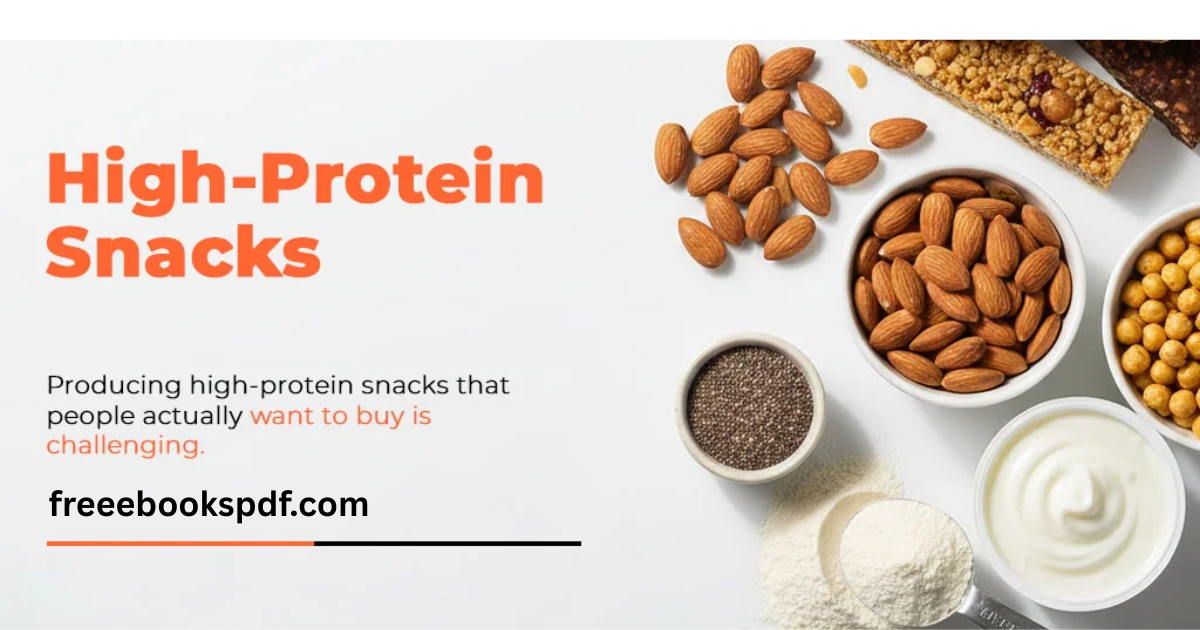
    Fortunately, there are plenty of high-protein snacks without protein powder that are simple, nutritious, and satisfying. From eggs and yogurt to nuts and legumes, these snacks are perfect for anyone looking to maintain a balanced, protein-rich diet. Fuel your muscles without spending a fortune. Explore cheap high-protein meals for muscle gain with easy, budget-friendly recipes.
    The Rationale behind adding High-Protein Snacks

    Protein plays an important role in many activities of the body such as the repair of tissues, hormone secretion and body muscles. Eating snacks that are rich in proteins is beneficial in a number of ways:

    • Keeps You Full Longer -Protein contains substances that suppress hunger and cravings and thus one can avoid eating excessively.
    • Promotes Muscle Performance- Consumption of regular protein is essential in muscles building and sustenance.
    • Increases Energy Level -Protein assists in stabilizing blood sugar, which gives energy throughout the day.
    • Weight Management – High protein snacks may help in burning the weight and keep the weight healthy.

    The best part? These benefits do not require any protein powders. Most natural foods contain high levels of proteins and are delicious on their own or in combination with other foods.

    Best High-Protein Snacks Protein Powder-Free

    The following is a list of protein rich, simple snacks that you could use at any time of the day:

    Greek Yogurt with Nuts and Seeds

    The Greek yogurt is a heavyweight in terms of protein. It is possible to get 10-15 grams of protein in a single serving. Add almonds, chia or pumpkin seeds to increase its protein content and flavor. This combination has healthy fats and fiber as well, thus it is a healthy and filling snack. Eat it in the morning before going to work, as an afternoon snack, or a snack after a workout.

    2. Hard-Boiled Eggs

    The eggs are considered to be one of the most versatile and cheap sources of protein. Hard-boiled eggs are convenient and easy to cook and carry, unlike soft-boiled eggs, which are not very convenient. An average egg has approximately 6- 7 grams of quality protein. Add a pinch of salt, pepper or paprika to give it a nice flavor.

    1. Cottage Cheese

    Cottage cheese is also good source of casein which is a slow digesting protein that keeps you full several hours. It should be served with fresh fruit, nuts, or sprinkle of cinnamon to make a sweet treat or can be served with cucumber slices and cherry tomatoes to make it savory.

    1. Roasted Chickpeas

    The chickpeas are an excellent vegetarian source of protein. Roasted chickpeas are tasty, crispy, and simple to prepare themselves. All you do is to combine them with olive oil and your desirable spices and roast before they become crispy. They are ideal in snacking at home or carrying them everywhere.

    5. Nut Butter on Whole-Grain Crackers.

    Almond or peanut butter is a high protein and healthy fat nut butter. Place on whole-grain crackers or rice cakes to make a fast tasting snack. Banana slices or berries can also be added to the ingredients to improve their flavor and nutritional content.

    1. Sticks or slices Cheese.

    Cheese contains a lot of protein and calcium. Convenient ones are mozzarella sticks, cheddar slices or string cheese. Eat fruit slices of apple or whole grain crackers with pair cheese to have an equal snack that can be craving-satisfying.

    1. Edamame

    Edamame, or young soybeans are good sources of both protein and fiber. Edamame is simple to cook and it is also possible to season it with sea salt, chili flakes, or garlic powder. This snack will be perfect to vegetarians or any other person who wants to have a protein choice of plant origin.

    1. Tuna or Salmon Packs.

    Canned tuna or salmon packs contain high protein and omega-3 fatty acids, which are useful in maintaining the strength of muscles and the heart. These are packs that are portable and do not need any preparation. Balance with whole grains crackers, Avocadoes or cucumber as a mini-meal.

    1. Homemade Protein Bars

    Rather, purchase processed protein bars, prepare some yourself with natural products, such as oats, nuts, seeds, and dried fruit. Protein bars are easy to make at home, and they enable you to regulate the sugar levels, as well as prepare a snack that is high in protein, portable, and satisfying.

    1. Hummus with Veggies

    Hummus is prepared with the help of chickpeas that are a good source of protein and fiber. Hummus can be eaten with carrot sticks, celery or bell peppers to make the snack crunchy and satisfying. To boost the amount of protein, sprinkle hemp seeds or serve with boiled eggs.

    How to Get the Most Protein out of Snacks

    • Add Protein and Fiber and Healthy Fats: It helps to slow down the digestion and keeps you saturated. An example is the Greek yogurt and flaxseeds or nuts.
    • Boil Eggs, Roast Chickpeas, and Homemade Bars: Eggs, chickpeas, and bars may be prepared in advance to save time.
    • Select Whole Foods: Whole, minimally processed foods, are a source of vitamins, minerals, and antioxidants, unlike most supplements.
    • Eat in between: It is important to eat snacks that contain high protein between meals to avoid the energy crashes and unwanted cravings.

    Conclusion

    It is not difficult to eat high-protein snacks without protein powder and they are tasty and have a positive effect on the whole health. Greek yogurt and cottage cheese are only some of the natural alternatives to fulfill your hunger as well as increase the level of protein consumption. These snacks also keep you going, build muscle, and make you feel fuller longer, and it is not possible to use any supplements.

    With these concepts in your day-to-day lives, you will be able to have delicious healthy snacks and at the same time satisfy your body protein requirements in a natural manner.

    If you’re looking for quick and easy options to fuel muscle recovery between meals, check out our guide on High‑Protein Snacks Without Protein Powder.”