Author: admin

  • Egg vs chicken protein which is better?

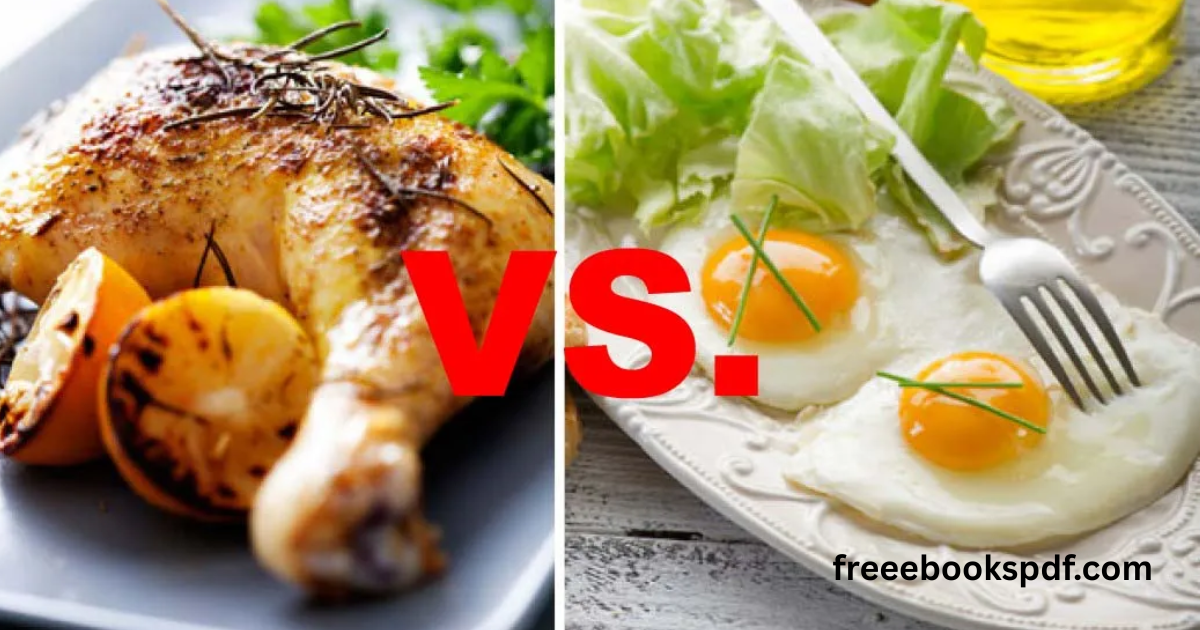
    Egg vs chicken protein which is better?

    When it comes to building muscle, losing weight, or simply maintaining a healthy diet, protein plays a crucial role. Among the most popular and affordable protein sources worldwide, eggs and chicken stand out. But the common question remains: egg vs chicken protein—which is better?

    In this comprehensive guide, we’ll compare both options in terms of nutrition, muscle-building potential, weight loss benefits, and overall health impact to help you make the right choice. If you’re exploring plant-based options, check out our detailed guide on
    Vegetarian protein sources for muscle gain to discover powerful meat-free foods that help build muscle effectively.

    Nutritional Overview

    The initial step to this question is to understand the nutritional profile of eggs and chicken so that one can make a decision about which is better.

    • Eggs (1 Large Egg – ~50g)
    • Protein: 6–7 grams
    • Calories: ~70 kcal
    • Fat: 5 grams
    • Cholesterol: ~186 mg
    • Nutrients: Selenium, choline, Vitamin D, Vitamin B12.
    • Chicken Breast (100g Cooked)
    • Protein: 25–31 grams
    • Calories: ~165 kcal
    • Fat: 3–4 grams
    • Cholesterol: ~85 mg
    • Nutrients: vitamin B 6, niacin, phosphorus.

    Significant Point: Chicken is a much more concentrated source of protein, and thus it offers a lot more of it in a single serving. Nonetheless, eggs provide more sources of essential nutrients.

    Powering up the engine Protien Quality and Amino Acids

    Egg and chicken are complete sources of proteins, i.e. they have all the nine essential amino acids which the body cannot synthesize.

    If you’re looking for quick and easy options to fuel muscle recovery between meals, check out our guide on High‑Protein Snacks Without Protein Powder.

    The eggs are commonly known as the gold standard of protein because of the high biological value and digestibility. Eggs contain protein which is readily absorbed and well utilised in the body.

    On the other hand, chicken too is a good protein source, particularly a good source of amino acids such as leucine that is also important in muscle development.

    Verdict Both are good, but eggs are slightly better in terms of protein quality, whereas chicken has more volume.

    What Is superior in Muscle Gain

    In case you want to gain muscle, it is important to consume protein.

    • Chicken Breast Advantages:
    • Large amounts of protein per serving.
    • Low fat (particularly, skinless)
    • Perfect to achieve protein requirements on a daily basis.
    • Egg Advantages:
    • Contains healthy fats
    • Helps in hormone secretion (which is significant in muscle building)
    • Convenient and quick to prepare

    Aligning with this recommendation, it is best to choose Chicken as the main protein source to build muscle because it has a high protein density. Nevertheless, eggs are a good addition to supplement the general nutrition.

    Eggs vs. Chicken: Which is better on a ketogenic diet?

    Eggs and chicken have the same effect of being supportive in weight loss, albeit in a given way.

    Eggs to lose weight:

    Eggs are very satisfying and may make one less hungry during the day. Having eggs in the breakfast has been found to decrease the total calories.

    Weight loss Chicken:

    Chicken breast is rich in protein but low in fat hence it is good in terms of preserving muscle mass and losing fats. It maintains your metabolism and helps you to burn fats.

    Both are good options, eggs are good in controlling the appetite and chicken aids in the lean muscle as well as fat burning.

    Health Considerations

    Eggs:

    Eggs have been previously criticized to be high in cholesterol but recent studies have proven that mostly they are safe provided that they are taken moderately. They also contain a lot of choline that is beneficial to the brain.

    Chicken:

    Chicken is a low protein source of food particularly when it is roasted, baked, or boiled. Nevertheless, chicken cannot be consumed as processed or fried because of additional fats and sodium.

    Hint: Pay attention to healthy cooking techniques to derive the best out of the two foods.

    Digestibility and Absorption

    The egg protein is very easy to digest and get absorbed in the body and so, it is a good choice in the recovery after workouts.

    The digestion of chicken protein is a little slower and it results in a consistent supply of amino acids in the body which is useful in maintaining a continuous muscle repair.

    Summary: Eggs are best to eat fast, whereas chicken is more suitable to have long-term supply of proteins.

    Cost and Accessibility

    Affordability is a significant factor to many people.

    Eggs are mostly cheaper and are very common.
    Chicken is a little more costly yet is still affordable among other sources of proteins.

    Verdict: The winner in terms of low budget diets is Eggs.

    Best Time to eat Eggs vs Chicken

    Protein timing may help improve the outcome:

    • Breakfast: eggs are fast, healthy and full of energy.
    • After exercise: Eggs and chicken are both effective.
    • Lunch/Dinner: Chicken is a high-protein, food that is more satisfying.

    Both of them should be included all day long, as a measure of balanced nutrition.

    Got to combine eggs and chicken?

    The combination of both can be the strategy actually.

    When eggs and chicken are eaten together they will give:

    • Full-fledged amino acid profile.
    • Increased total protein consumption.
    • Increased muscle recovery and development.

    Example meal:
    Grilled chicken breast and boiled eggs and vegetables are a strong and balanced protein meal.

    Final Comparison

    • Feature Eggs Chicken
    • Protien per Serving Moderate High.
    • Fat Content Increased Decreased.
    • Nutrient Density Very high High.
    • Cost Low Moderate
    • Body Muscle Good Excellent
    • Weight Loss Excellent Excellent.

    Final Verdict

    Therefore, in the argument of protein of eggs and chicken, which is better to have?

    Go with chicken when your primary objective is to consume a large amount of protein and build up the body muscles.
    Select the eggs in case you need a nutritious, cheap, and versatile food.
    Select the two when you are after optimum results.

    The most intelligent thing to do is not to pick between them, but to use both of them in your diet depending on your needs.

    Conclusion

    Both eggs and chicken are potent sources of protein and have their own advantages. Regardless of whether you are aiming to gain muscle, lose weight, or just have a healthy body, it is better to have both of them in your daily meal as it will be a balanced food and hopefully achieve better outcomes.

    A clever mixture of chicken and eggs will make you attain your health and fitness objectives in a quicker and more effective way. Explore cheap high-protein meals for muscle gain with easy, budget-friendly recipes.
  • Vegetarian protein sources for muscle gain

    Vegetarian protein sources for muscle gain

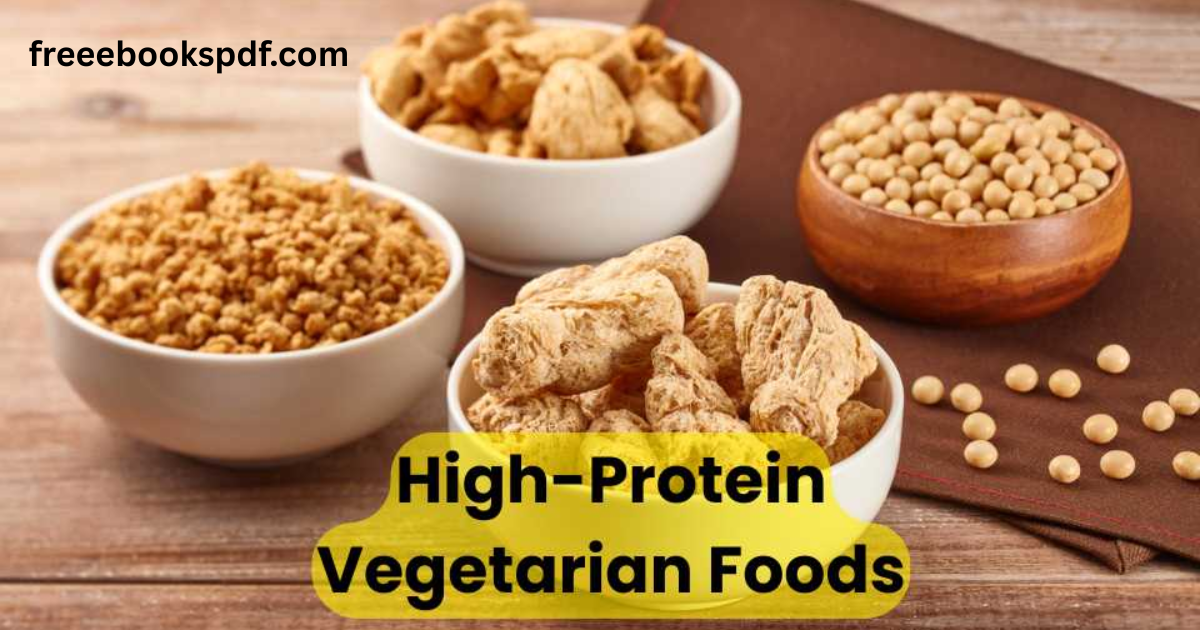
    Gaining muscle doesn’t require a diet full of meat, eggs, or other animal products. With the right vegetarian protein sources, you can build lean, strong muscles while following a plant-based lifestyle. Whether you’re new to vegetarianism or an experienced plant-based athlete, knowing which high-protein vegetarian foods to include is crucial for optimal muscle growth and recovery.

    Explore cheap high-protein meals for muscle gain with easy, budget-friendly recipes.
    The Importance of Protein to Muscle Gain

    The component of muscles is protein. Each time you do some form of strength training or resistance work, your muscle fibers undergo minute micro-tears.

    Increasing the muscle mass, the majority of the experts suggest taking 1.6-2.2 grams of protein per kilogram of body weight per day. To achieve this target, vegetarians need to integrate different sources of plant-based proteins, so that they become complete in the number of essential amino acids.

    The best Vegetarian sources of protein to build muscle

    The following are highly protein vegetarian foods that help in building muscles:

    Lentils: A Powerhouse of Protein for Muscle Building

    Lentils are one of the most effective vegetarian sources of protein and are perfect for muscle gain. They are rich in essential nutrients that support energy production and muscle function.

    Chickpeas

    Garbanzo beans or chickpeas contain 15g of protein in one cup. They can be used in hummus, snacks and salads. Chickpeas contain a high level of fiber, which keeps you saturated as well as aiding digestive health- which is vital to your overall well-being and training performance.

    Quinoa

    Quinoa is among the plant-based complete proteins, i.e. it has all the nine essential amino acids. A single cup of the cooked quinoa has 8gram protein and complex carbohydrates that power your exercises. It may be added to salads, bowls, or used in place of rice to increase the amount of protein.

    Tofu

    Tofu is prepared with soy beans and it is very versatile. One half-cup portion is a source of 10 grams of protein, calcium and iron. Tofu can be stir fried, grilled, blended into smoothies or baked into high protein foods. Its flavor is neutral, which enables it to take up a range of flavors, which makes it a part of vegetarian bodybuilding diets.

    Tempeh

    Another protein that is made of soy is tempeh which is even more protein-rich than tofu. A cup of tempeh contains about 31 grams of protein. It is hard and has a nutty taste and is very good in sandwiches, stir-fries, and savory bowls. Tempeh is also a source of probiotics to the gut to help the body absorb more.

    Seitan

    Seitan, which is a meat substitute, is a gluten of wheat and a high-protein source. Protein is one of the richest sources of vegetarian proteins with a value of about 25 grams in three ounces. The texture of seitan is chewy and it is excellent in stir-fries, sandwiches or grilled. It is perfect with vegetarians in need of a good protein dose.

    Greek Yogurt (Lacto-Vegetarian Choice)

    Greek yogurt is a high protein dairy alternative to lacto vegetarians with 10- 15 grams of protein per cup. It also contains probiotics which is beneficial to the gut health which helps in nutrient absorption and digestion.

    Edamame

    Young soybeans known as edamame contain 17 grams of protein in a cup. They contain a lot of iron, folate and essential amino acids as well. Edamame can also be cooked either by boiling, steaming or roasting, and hence it can be used as an easy and delicious addition to salads, stir-fries or as a protein snack.

    Nuts and Seeds

    Healthy fats and fiber Nuts and seeds such as almonds, peanuts, chia seeds, pumpkin seeds, and hemp seeds contain moderate amounts of protein and are healthy. They are good snacks or toppings to oatmeal, salads or smoothies in order to achieve your daily protein needs.

    Vegetarian Ideas of high protein meals

    A mixture of these sources of proteins can assist you in consuming your daily protein needs and in building muscle mass. The following are an example of a day meal:

    • Breakfast Quinoa porridge with chia seeds and almond butter (20g protein)
    • Lunch: Lentil and chickpea salad, olive oil and roasted vegetables (25g protein)
    • Snack: hemp seeds and berries in Greek yogurt (15g protein)
    • Dinner: Tempeh stir-fry with tofu, broccoli and brown rice (35g protein)

    Tips for Maximizing Muscle Gain on a Vegetarian Diet

    • Combine Proteins: A combination of proteins can be made by combining legumes with grains such as rice or quinoa to have a complete amino acid profile.
    • Frequent Meals: 4-6 smaller meals daily will supply the muscles with a constant nutrition.
    • Strength Training: Frequent resistance training is important to transform protein consumption to real muscle development.
    • Keep Track of Micronutrients: Make sure that you take in the required amounts of iron, zinc, vitamin B12 and calcium to maintain your health.

    Conclusion

    Further supplementing these sources of proteins, strategizing your meals and combining them with strength training will guarantee you achieve your muscles building objectives in a natural manner.

    Adopting a vegetarian diet does not imply that people have to give up on building more muscles. Quite on the contrary, it promotes a healthy, sustainable diet to fitness. If you’re looking for quick and easy options to fuel muscle recovery between meals, check out our guide on High‑Protein Snacks Without Protein Powder.

  • What to eat after workout for muscle recovery

    What to eat after workout for muscle recovery

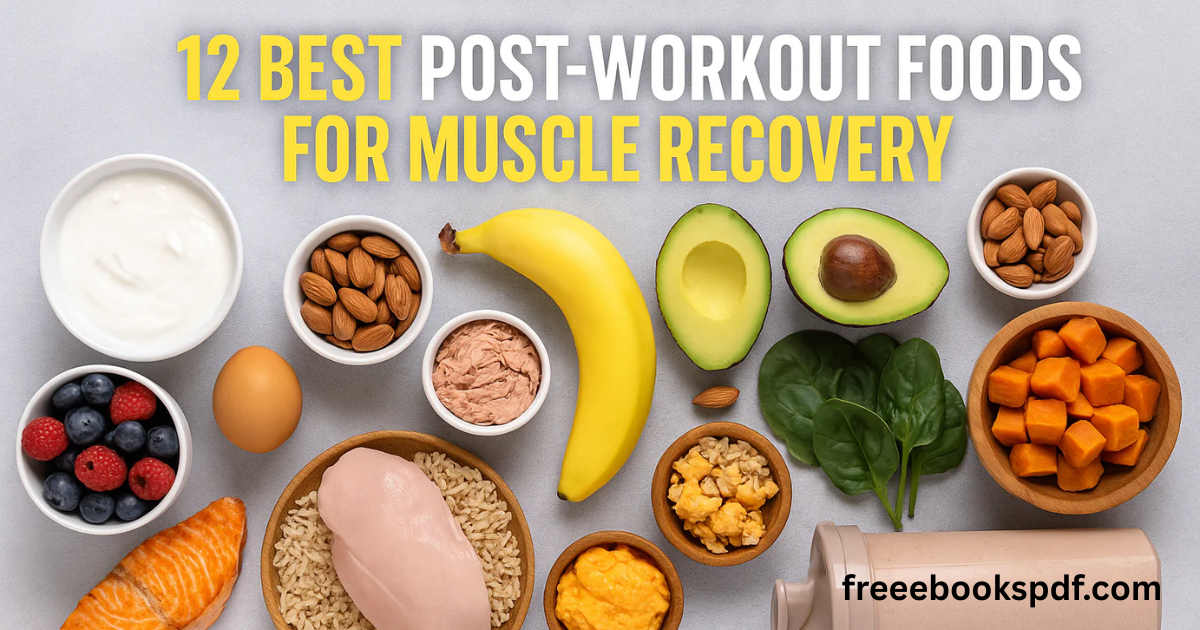
    When it comes to building muscle, recovering faster, and improving overall fitness, what you eat after a workout is just as important as the workout itself. Proper post-workout nutrition helps your body repair muscle fibers, restore energy, and prepare for the next training session. Many people overlook this crucial step, focusing only on training, but consuming the right foods after exercise can maximize muscle growth and reduce fatigue.

    In this guide, we’ll explore what to eat after workout for muscle recovery, why it matters, and give you practical meal ideas that are simple, effective, and nutrient-rich.

    The importance of Post Workout Nutrition

    When you get through with the exercise, your muscles get little tears and your glycogen (energy) stores become exhausted. It is a normal process, although when one does not eat properly, the muscles will take longer time to repair, and recovery will be a long process.

    Explore cheap high-protein meals for muscle gain with easy, budget-friendly recipes.
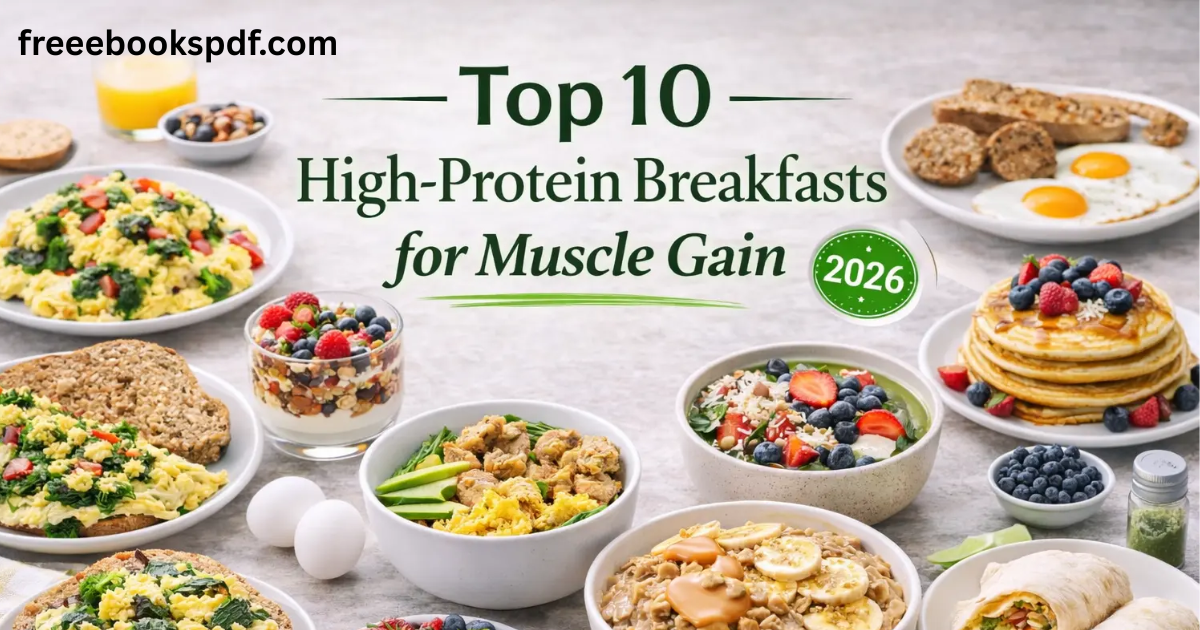
    Consuming the right foods in the post workout will guarantee:

    • Faster muscle repair
    • Replenished glycogen levels
    • Reduced muscle soreness
    • Improved performance in the later workouts.

    A balanced meal is advisable within 30-60 minutes following a training and this is commonly known as the anabolic window when your body muscles are most likely to receptive to nutrients.

    Protein: The Secret of Muscle Building

    Protein is needed in muscle recovery and growth. When one is exercising, the muscles are torn and the protein assists in repairing the muscles with greater strength. Goal protein after exercise should be 20-30 grams to trigger recovery and development.

    Want a complete breakdown of protein benefits? Read our full guide on Egg vs chicken protein: which is better? to compare nutrition, muscle-building benefits, and weight loss advantages in detail.

    Optimal sources of proteins are:

    • Lean meat products: Chicken breast, turkey, lean beef.
    • Eggs: Good protein that contains vital amino acids.
    • Dairy: cottage cheese, Greek yogurt.
    • Plant proteins Lentils, chickpeas, tofu, tempeh.

    Protein combined with other nutrients aids in the faster and efficient recovery of your body.

    Carbohydrates: Rejuvenate Energy Boosters

    Carbohydrates restore body glycogen strength after a workout as they are very low at the time. Carbohydrate combined with protein enhances muscle protein synthesis and reduces muscle recovery.

    Good carbohydrate options:

    • Whole grains: Quinoa, oats, brown rice.
    • Fruits: Apples, bananas, and berries.
    • Starch vegetables: Squash, sweet potatoes.
    • Legumes Lentils, chickpeas, black beans.

    The presence of complex carbs will guarantee the constant energy release and avoid blood sugar spikes.

    Healthy Fats: Healthy Recovery and Hormones

    Although fats cannot be considered as the key nutrient to post-workout recovery, good fats can be used to reduce inflammation and hormone control needed to grow the muscles.

    Recommended fats:

    • Avocado
    • Nuts and seeds (flaxseeds, chia seeds, almonds, etc.)
    • Extra virgin olive oil or coconut oil.

    Consumption of high-fat meals should be limited as soon as one is done with the exercise since excess fat can slow down the digestive system and slow down the absorption of nutrients.

    Hydration: It is So Easy to Forget Water

    Sweat brings fluid and electrolyte loss as a result of exercise. The hydration is necessary to:

    • Maintain muscle function
    • Minimize pain and stress.
    • Speed up recovery

    Tips for hydration:

    • Consume a lot of water after the exercise.
    • Electrolytes lost can be replaced using coconut water or natural fruit juices.
    • In case of vigorous workouts, a small electrolyte drink is to be taken into account.
    • Timing Matters

    To repair your muscles to the fullest, have your post-workout meal not more than 30 to 60 minutes. In case you are not in the mood to have a full meal, a quick bite such as the Greek yogurt with berries or a banana and peanut butter works well.

    Sample Post-Workout Meals

    The following are some of the easy, simple, and balanced meal plans after a workout:

    The first one is Chicken and Quinoa Bowl.

    • 150g roasted chicken breast.
    • ½ cup cooked quinoa
    • Baked potatoes (lightly spiced with butter and salt)
    • 1/2 teaspoon drizzle olive oil.
    1. Protein Smoothie
    • 1-scoop whey or plant-based protein.
    • 1 banana
    • 1 cup almond milk
    • 1 tbsp peanut butter
    • Handful of oats

    Eggs and Sweet Potato are also a good source of starch.

    • 2-3 hard or soft-boiled eggs.
    • 1 medium baked sweet potato.
    • Slices on the side of avocadoes.
    1. Greek Yogurt Parfait
    • 1 cup Greek yogurt
    • ½ cup mixed berries
    • 2 tbsp low-fat or skim milk or almond milk.
    • 1 tsp honey

    These are meals that are protein, carbs and healthy fats that are used to recover.

    Recovery (Optional) Supplements

    Whole foods are not to be replaced by supplements, which can be useful in the case your diet is deficient in some nutrients. Popular options include:

    • Protein powders: Whey or vegetarian.
    • BCAAs: Facilitate muscle regeneration.
    • Creatine: Strength and recovery.

    Supplements are ideal when included in a healthy nutritional post-workout meal.

    What Not to Eat after Workout

    Other foods will delay recovery or cause muscle repair to be impaired, including:

    • Processed snacks that contain a high amount of sugar: Candy, pastries.
    • Deep-fried foods: Fries, burgers.
    • Alcohol: Decreases the synthesis of proteins and retards healing.

    Pay attention to whole and minimally processed foods in order to provide your muscles with what they require.

    Conclusion

    The major one is knowing what to eat after a workout to build muscle so that you can attain your fitness objectives. Eat more protein and carbs, eat a little healthy fats, drink plenty of water, and also eat at the right time. Such practices aid in the quicker healing of muscles, alleviation of pain as well as long-term development.

    These meals and snacks should be a part of your after work out regimen starting today and the muscles will reward you tomorrow.

    Check out these high-protein snacks without protein powder for quick, budget-friendly options.

  • Cheap high-protein meals for muscle gain

    Cheap high-protein meals for muscle gain

    Gaining muscle doesn’t have to be expensive. Many gym-goers believe that high-protein diets require costly supplements or fancy foods, but the truth is, you can build muscle with cheap high-protein meals that are easy to prepare, nutrient-rich, and wallet-friendly.

    In this guide, we’ll explore the best affordable protein sources, meal ideas, and tips for maintaining a high-protein diet for muscle gain without overspending. Boost your muscle gains with easy and affordable snacks. Check out these high-protein snacks without protein powder for quick, budget-friendly options.

    The reason why Protein is Important to Muscle Growth

    The building block of muscles is protein. During exercise, your muscles are torn in tiny muscles, and protein assists in repairing these muscles and this results in growth. The protein intake that will maximize muscle development is to take 1.22 grams of protein per kilogram of body weight per day, depending on the level of activity and the intensity of training.

    Protein powders are not compulsory and they are expensive. Low-cost foods with high protein such as eggs, beans, lentils, chicken, and yogurt are capable of supplying all the nutrients required in muscle building and keeping your diet budget-friendly.

    Want a complete breakdown of protein benefits? Read our full guide on Egg vs chicken protein: which is better? to compare nutrition, muscle-building benefits, and weight loss advantages in detail.

    Low-cost Source of High-Protein Foods

    Eggs -1 egg has an approximate of 6-7 grams of protein. Eggs can be cooked in various ways such as boiled, scrambled or incorporated into other dishes such as oats or sandwiches.
    Chicken Breast- A low-fat and high protein meat. Purchasing in large quantities or frozen packages is much cheaper.
    Canned Tuna and Sardines- these are cheap, do not require refrigeration and are rich in proteins, hence they are ideal in fast meals.

    For better recovery, check out What to Eat After Workout for Muscle Recovery to understand the best post-workout foods for muscle repair and energy replenishment.

    • Lentils and Beans – This is a plant-based, cheap and rich source of protein and fiber. Lentils, chickpeas, and kidney beans are excellent in soufs, stews and salads.
    • Greek Yogurt- Greek yogurt is a good protein and probiotic, and also, it can be used as a snack or meal supplement after a workout.
    • Peanut Butter- It is a cheap protein and healthy fats source. Idyllic in shakes, on toast or with fruits such as bananas.
    • Oats- Although moderate in protein, oats with milk, eggs, or peanut butter will make an excellent protein breakfast.

    Low-cost High-Protein Meal Recipes

    Breakfast Options

    • Egg and Oat Scramble – The oats must be cooked in water or milk, then 2 eggs should be added, and some vegetables, such as spinach or tomatoes, should be added to enrich the food.
    • Greek Yogurt and Banana and Peanut Butter- Take a cup of Greek yogurt and add a tablespoon of peanut butter and a slice of banana. Protein and full of filling breakfast.
    • Protein Pancakes- Combine oats, 2 eggs and spoonful of peanut butter. A low-protein and low-cost high-protein meal is to cook pancakes in a non-stick pan.

    Lunch Ideas

    • Chicken and Rice Bowl -Bake/Grill chicken breast and serve it with steamed rice and a portion of beans. Add vegetables of the season to add fiber and vitamins.
    • Tuna Salad Wrap – Combine tuna in a can with Greek yogurt, add herbs and wrap in a whole wheat tortilla to make a fast and easy lunch.
    • Lentil Soup with Rice- cook lentils together with onions, garlic and spices. Eat with whole-grain bread or brown rice, as a nutritious yet inexpensive lunch.

    Dinner Suggestions

    • Stir-Fried Chicken and Vegetables -Brown chicken with low-cost vegetables such as carrots, peas, and cabbage. Add soy sauce and garlic in it and serve with rice or noodles.
    • Campo Bean and Veggie Chili beans are inexpensive and contain a lot of protein. Prepare tomatoes, onion, pepper, and spices.
    • Baked Sardine Pasta – To spend a little more, canned sardines mixed with whole wheat pasta contain a source of protein and omega-3 fatty acids to help the muscles to recover.

    Snacks with a lot of protein and on a cheap diet

    Snacks can also be used in addition to meals, to achieve your daily protein requirements without spending a lot:

    • Hard-boiled eggs
    • Fruited greek yogurt.
    • Whole-grain bread with peanut butter.
    • Roasted chickpea/edamame.
    • Cucumber or tomato cottage cheese.

    These snacks are cheap, simple to make and they assist in muscle building.

    How to Eat a High-Protein Diet on a Budget

    • Buy in Bulk -Foods such as rice, oats, chicken and beans are available at a cheaper price when bought in high quantities. Meat portions should be frozen to increase shelf life.
    • Consume Plant-Based Proteins -Lentils, beans, and chickpeas are inexpensive, rich in protein, and fiber.
    • Cooking at Home- The homemade meals are less expensive than restaurants, and there is a better option of control over ingredients.
    • Plan Weekly Meals- Planning eliminates the unplanned purchases and makes you reach your protein targets.
    • Use Leftovers -Prepare additional lunch or dinner the following day to save money and time.
    • Integrating the Cheap Protein with Muscle-Building Workouts.

    It is not just enough to eat cheap high-protein meals to ensure maximum growth in the muscle. Restrict your eating and regular strength workouts and resistance.

    Conclusion

    Muscle building does not need costly food and supplementation. With the help of low-protein meals to gain muscles, you can take care of your training, provide energy to your body and save money. Add eggs, beans, lentils, chicken, tuna, Greek yogurt to your diet, and combine it with simple carbs and vegetables to balance your diet.

    The high-protein diet is also affordable and sustainable during meal planning, bulk buying, and smart snack choices. As long as you work hard and eat right, you will be able to develop muscles without breaking your budget. If you’re looking for quick and easy options to fuel muscle recovery between meals, check out our guide on High‑Protein Snacks Without Protein Powder.

  • High-protein snacks without protein powder

    High-protein snacks without protein powder

    Snacking is often seen as a guilty pleasure, but it doesn’t have to be. When chosen wisely, snacks can support your health, energy levels, and even muscle growth. Protein, in particular, plays a key role in keeping you full, supporting muscle repair, and boosting metabolism. While protein powders are a popular supplement, many prefer natural ways to increase their protein intake.

    Fortunately, there are plenty of high-protein snacks without protein powder that are simple, nutritious, and satisfying. From eggs and yogurt to nuts and legumes, these snacks are perfect for anyone looking to maintain a balanced, protein-rich diet. Fuel your muscles without spending a fortune. Explore cheap high-protein meals for muscle gain with easy, budget-friendly recipes.
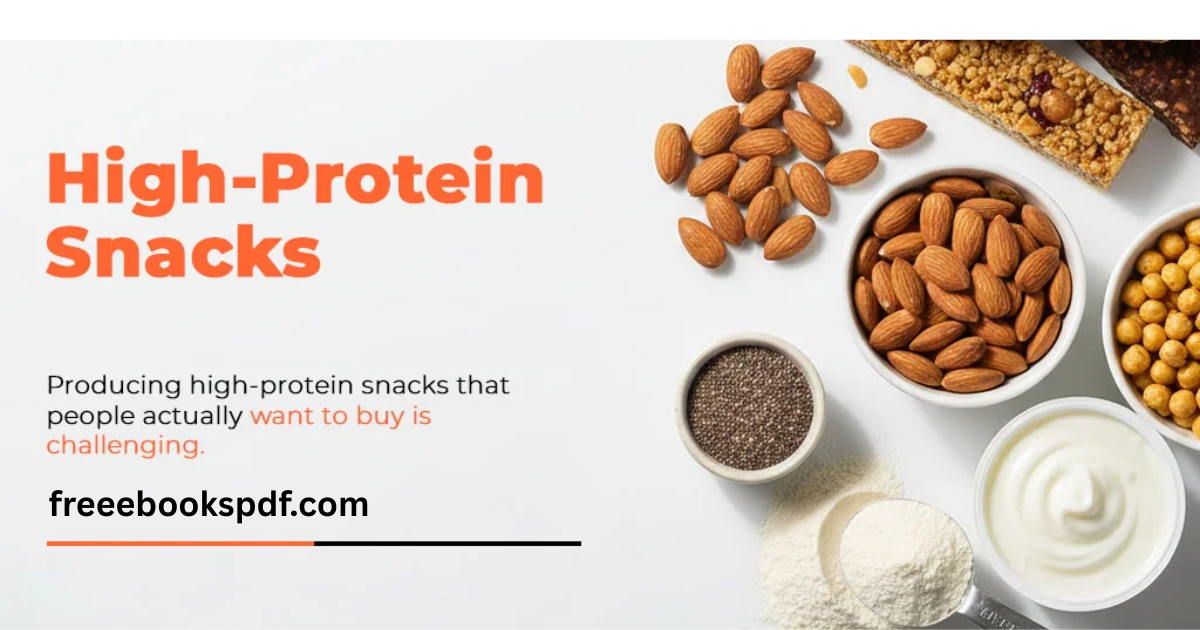
    The Rationale behind adding High-Protein Snacks

    Protein plays an important role in many activities of the body such as the repair of tissues, hormone secretion and body muscles. Eating snacks that are rich in proteins is beneficial in a number of ways:

    • Keeps You Full Longer -Protein contains substances that suppress hunger and cravings and thus one can avoid eating excessively.
    • Promotes Muscle Performance- Consumption of regular protein is essential in muscles building and sustenance.
    • Increases Energy Level -Protein assists in stabilizing blood sugar, which gives energy throughout the day.
    • Weight Management – High protein snacks may help in burning the weight and keep the weight healthy.

    The best part? These benefits do not require any protein powders. Most natural foods contain high levels of proteins and are delicious on their own or in combination with other foods.

    Best High-Protein Snacks Protein Powder-Free

    The following is a list of protein rich, simple snacks that you could use at any time of the day:

    Greek Yogurt with Nuts and Seeds

    The Greek yogurt is a heavyweight in terms of protein. It is possible to get 10-15 grams of protein in a single serving. Add almonds, chia or pumpkin seeds to increase its protein content and flavor. This combination has healthy fats and fiber as well, thus it is a healthy and filling snack. Eat it in the morning before going to work, as an afternoon snack, or a snack after a workout.

    2. Hard-Boiled Eggs

    The eggs are considered to be one of the most versatile and cheap sources of protein. Hard-boiled eggs are convenient and easy to cook and carry, unlike soft-boiled eggs, which are not very convenient. An average egg has approximately 6- 7 grams of quality protein. Add a pinch of salt, pepper or paprika to give it a nice flavor.

    1. Cottage Cheese

    Cottage cheese is also good source of casein which is a slow digesting protein that keeps you full several hours. It should be served with fresh fruit, nuts, or sprinkle of cinnamon to make a sweet treat or can be served with cucumber slices and cherry tomatoes to make it savory.

    1. Roasted Chickpeas

    The chickpeas are an excellent vegetarian source of protein. Roasted chickpeas are tasty, crispy, and simple to prepare themselves. All you do is to combine them with olive oil and your desirable spices and roast before they become crispy. They are ideal in snacking at home or carrying them everywhere.

    5. Nut Butter on Whole-Grain Crackers.

    Almond or peanut butter is a high protein and healthy fat nut butter. Place on whole-grain crackers or rice cakes to make a fast tasting snack. Banana slices or berries can also be added to the ingredients to improve their flavor and nutritional content.

    1. Sticks or slices Cheese.

    Cheese contains a lot of protein and calcium. Convenient ones are mozzarella sticks, cheddar slices or string cheese. Eat fruit slices of apple or whole grain crackers with pair cheese to have an equal snack that can be craving-satisfying.

    1. Edamame

    Edamame, or young soybeans are good sources of both protein and fiber. Edamame is simple to cook and it is also possible to season it with sea salt, chili flakes, or garlic powder. This snack will be perfect to vegetarians or any other person who wants to have a protein choice of plant origin.

    1. Tuna or Salmon Packs.

    Canned tuna or salmon packs contain high protein and omega-3 fatty acids, which are useful in maintaining the strength of muscles and the heart. These are packs that are portable and do not need any preparation. Balance with whole grains crackers, Avocadoes or cucumber as a mini-meal.

    1. Homemade Protein Bars

    Rather, purchase processed protein bars, prepare some yourself with natural products, such as oats, nuts, seeds, and dried fruit. Protein bars are easy to make at home, and they enable you to regulate the sugar levels, as well as prepare a snack that is high in protein, portable, and satisfying.

    1. Hummus with Veggies

    Hummus is prepared with the help of chickpeas that are a good source of protein and fiber. Hummus can be eaten with carrot sticks, celery or bell peppers to make the snack crunchy and satisfying. To boost the amount of protein, sprinkle hemp seeds or serve with boiled eggs.

    How to Get the Most Protein out of Snacks

    • Add Protein and Fiber and Healthy Fats: It helps to slow down the digestion and keeps you saturated. An example is the Greek yogurt and flaxseeds or nuts.
    • Boil Eggs, Roast Chickpeas, and Homemade Bars: Eggs, chickpeas, and bars may be prepared in advance to save time.
    • Select Whole Foods: Whole, minimally processed foods, are a source of vitamins, minerals, and antioxidants, unlike most supplements.
    • Eat in between: It is important to eat snacks that contain high protein between meals to avoid the energy crashes and unwanted cravings.

    Conclusion

    It is not difficult to eat high-protein snacks without protein powder and they are tasty and have a positive effect on the whole health. Greek yogurt and cottage cheese are only some of the natural alternatives to fulfill your hunger as well as increase the level of protein consumption. These snacks also keep you going, build muscle, and make you feel fuller longer, and it is not possible to use any supplements.

    With these concepts in your day-to-day lives, you will be able to have delicious healthy snacks and at the same time satisfy your body protein requirements in a natural manner.

    If you’re looking for quick and easy options to fuel muscle recovery between meals, check out our guide on High‑Protein Snacks Without Protein Powder.”

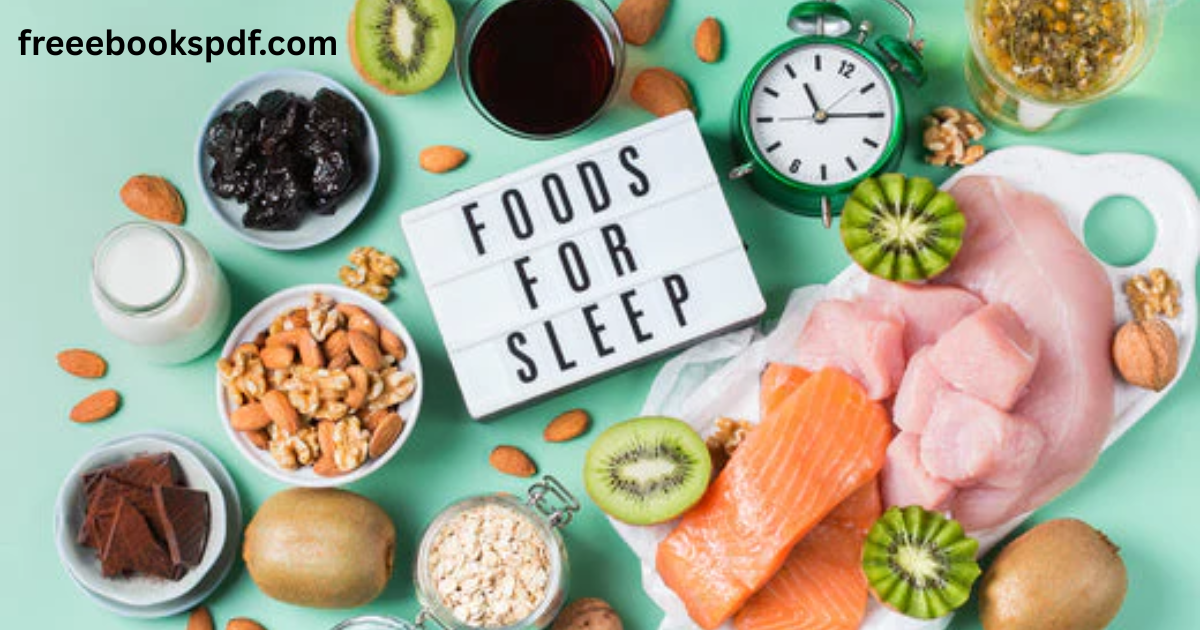
  • Foods that help you sleep better at night

    Foods that help you sleep better at night

    Sleep is a cornerstone of good health, yet millions of people struggle to get a restful night. Tossing and turning, waking up frequently, or feeling groggy in the morning is often linked to diet and lifestyle. While meditation, exercise, and sleep hygiene are essential, what you eat before bed can significantly affect your sleep quality. Consuming the right foods can naturally boost the production of sleep hormones, calm your nervous system, and help you fall asleep faster.

    This paper shall discuss the most effective foods that make you sleep better at night supported by science and how to make them a part of your daily consumption to sleep deep and restorative. Explore this helpful anti‑inflammatory foods list for beginners to complement your healthy eating routine.

    Tryptophan-Rich Foods: The Sleep Inducer of Nature

    Tryptophan is a necessary amino acid that assists the body in the production of serotonin that is further than the melatonin-the hormone that controls sleep. To achieve better sleep, one can include foods that are rich in tryptophan, particularly in the evening, and this is a natural way of achieving sleep.

    Best Tryptophan Foods:

    • Turkey and chicken
    • Eggs
    • Cheese
    • Tofu and soy food.
    • Almonds and walnuts

    A small snack, e.g. slice of turkey and whole-grain crackers, will raise serotonin levels, and you will be able to relax and fall asleep quicker. Combining the tryptophan foods with the complex carbohydrates increases the effect whereby carbs assist the brain to absorb tryptophan effectively.

    Learn more about quick energy-boosting options in our guide on foods that increase energy instantly.

    Magnesium- abundant Foods: Relax your Mind and Muscles.

    Magnesium is an essential mineral that is essential to sleep. It relaxes the muscles, decreases stress and relaxes the nervous system. The deficiency of magnesium may result in the inability to sleep and problems in falling asleep.

    Top Magnesium Sources:

    • Eggs (low-fat and non-fat)
    • Pumpkin seeds and sunflower seeds.
    • Dark chocolate (in a limited amount)
    • Bananas
    • Avocados

    An evening snack rich in magnesium, e.g. a banana and almond butter, or a small portion of pumpkin seeds may help a person to get deep and uninterrupted sleep.

    Complex Carbohydrates: Preparing Your Body to Sleep

    Whole grains and starchy vegetables contain complex carbohydrates that cause the insulin to be released and assist in making the brain absorb tryptophan. This has an indirect effect of enhancing production of melatonin, which eases one to sleep.

    Examples of Sleep-Promoting Carbs:

    • Oats
    • Quinoa
    • Sweet potatoes
    • Bread or crackers made of whole-grains.

    A hot oatmeal or a small dish of roasted sweet potatoes before sleep can relax your body, normalize your blood sugar and get your mind ready to have a good night.

    Herbal and Natural Sleeping Aids

    Natural foods and many herbs have been in use since time immemorial to enhance the quality of sleep. The mechanisms of these foods include calming down of mind, lessening of anxieties and facilitating the normal sleep cycle of the body.

    The sleep food products should be effective:

    • Chamomile tea: Chamomile is a tea that is known to be relaxing and it is given to avert stress and anxiety.
    • Valerian root: Increases the onset of sleep and the quality of sleep.
    • Kiwi: it has anti-oxidants and serotonin that promotes the duration and efficiency of sleep.
    • Tart cherry juice: This is a natural melatonin source, and it is best to use it in order to enhance the quality of sleep.

    These foods or beverages will take the place of other carbohydrates that you might have eaten 30-60 minutes before sleep; this will help your body to calm down and go to sleep.

    Dairy Product: Traditional Sleep Support

    Milk products are also good in terms of calcium and tryptophan which is a great source of sleep. Calcium assists the brain to utilize tryptophan in the production of melatonin in a good way. Before going to sleep another well-known way of dealing with insomnia is a warm glass of milk.

    Sleep-Friendly Dairy Options:

    • Yogurt
    • Cheese
    • Milk

    Experience Try to eat a few almonds with yogurt or drinking warm milk with a pinch of cinnamon. These are some of the easy to use options that will increase your sleep even without supplements.

    Snacks before Bedtime to Improve Sleep

    It is important to have the right snack in case you are hungry before going to sleep. Snacks are known to break sleep, but light and nutritious ones help to relax.

    Best Bedtime Snacks:

    • The almond butter on a small banana.
    • Some seeds of walnuts or pumpkin.
    • Cheese crackers made of Whole-grain.
    • Tart cherry juice or kiwi juice.

    By having the proper snack 30-60 minutes prior to sleeping, it will balance the level of blood sugar and increase the production of melatonin, thus allowing one to fall asleep and sleep longer.

    Things Not to Eat Before Sleep

    Similarly to the food that aids in sleep, others are able to disrupt it. It is best to avoid stimulants and food that does not aid in the digestive system during the evening.

    Sleep-Disrupting Foods:

    • Caffeine (coffee, tea, energy drinks)
    • Fruity sweets and candy.
    • Foods that are spicy or greasy.
    • Alcohol

    Replacing it with more sleep-friendly options will enhance the quality of your sleep, as well as avoid night awakenings.

    Developing a Sleep- Friendly Diet.

    To get the best out of sleep-promoting foods, it may be a good idea to base your diet on them:

    • Eat foods that contain tryptophan and magnesium in dinner.
    • Choose the complex carbohydrates in the night.
    • Have herbal teas or natural sleeping supplement 30 minutes before sleep.
    • Make your after bed snack light and healthy.
    • Do not take stimulants and heavy meals in the evening.

    Regular adherence to a sleep-friendly diet can be used to control your circadian rhythm, and can also assist in enhancing your sleeping schedule considerably.

    Conclusion

    Physical and mental health requires a sound and restful night sleep and diet contributes greatly to the acquisition of this. Naturally, food with high amounts of tryptophan, magnesium, complex carbohydrates, and relaxing herbs can help to enhance the quality of sleep. A healthy bedtime habit coupled with these foods can help to ensure that one will never have sleepless nights.

    To get more tips on improving your health with the help of diet, refer to our article on the foods that help digestion and reduce bloating and avoid bloating.

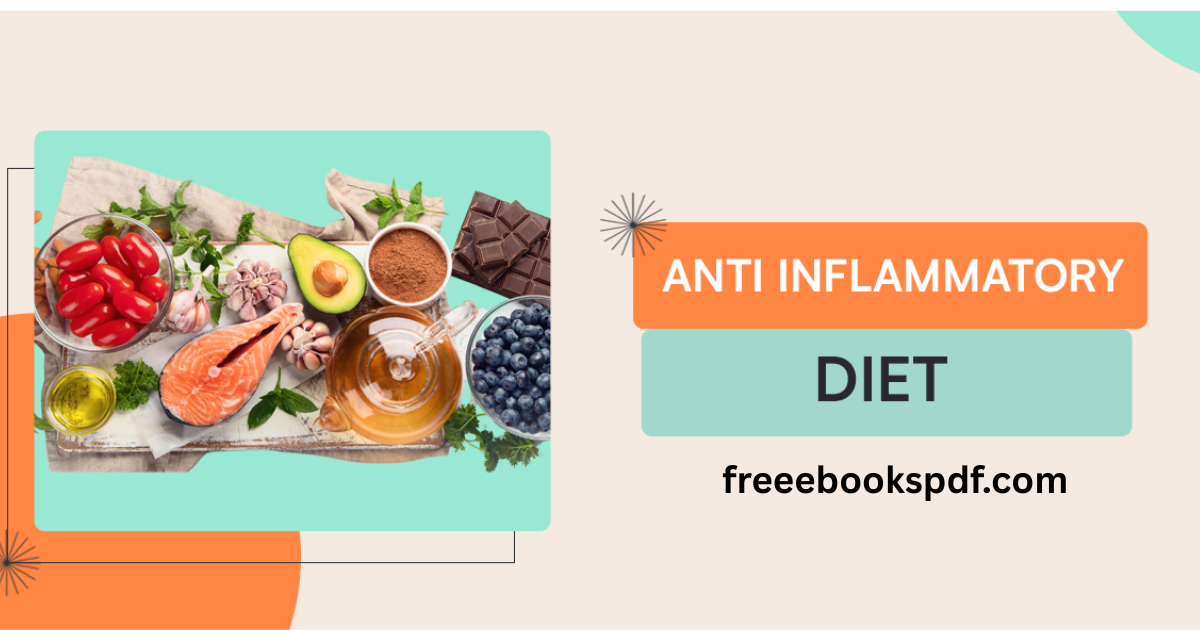
  • Anti-inflammatory foods list for beginners

    Anti-inflammatory foods list for beginners

    Inflammation is a natural response of the body to injury, infection, or stress. While acute inflammation helps your body heal, chronic inflammation can contribute to serious health problems, including heart disease, diabetes, arthritis, and even certain cancers. The good news is that you can reduce inflammation naturally by making smarter food choices.

    If you are just starting, this anti-inflammatory foods list for beginners provides simple, accessible options to help you fight inflammation and improve your overall well-being. Learn more about quick energy-boosting options in our guide on foods that increase energy instantly.

    An Anti-Inflammatory Diet: What It Is.

    Anti-inflammatory diet is a dietary plan that focuses on the consumption of foods that have been known to lower inflammation, as well as, avoiding foods that cause it.

    It is commonly known that beginners should be able to begin with the whole, natural foods like fruits, vegetables, whole grains, lean proteins, and healthy fats.

    Anti-Inflammatory Diet has the following benefits:

    • Lessens stiffness and the pain of the joints.
    • Stimulates immunity and energy.
    • Enhances intestinal and cardiac wellbeing.
    • Supports weight management
    • Promotes overall well-being
    • The Best Anti-Inflammatory Foods to Start with.

    The Berries

    Berries like blueberries, strawberries, raspberries, and blackberries are rich in antioxidants and vitamins that help fight inflammation naturally.

    Why Berries Reduce Inflammation

    The bright colors of berries come from anthocyanins, compounds that are especially effective at lowering inflammatory markers in the body.

    Leafy Greens

    Spinach, kale, collard greens and Swiss chard are rich in vitamins A, C, K, minerals and antioxidants which are used to combat inflammation. Leafy greens are also very versatile as they can be consumed either fresh in the form of salads or can be sautéed with olive oil and be included in soups and stews.

    Fatty Fish

    Salmon, mackerel, sardines and trout are very good sources of omega-3 fatty acids, which are very effective anti-inflammatory agents. Fish rich in omega-3 should be taken at least twice per week as it aids in alleviating inflammation, cardiac well-being, and cognitive abilities.

    Nuts and Seeds

    The healthy fats, fiber and protein found in almonds, walnuts, flaxseeds and chia seeds. The foods aid in the regulation of inflammation, as well as the well-being of the heart and the brain. Use them as snacks, or sprinkle on yogurt, salads or smoothies.

    Olive Oil

    Extra virgin olive oil has an anti-inflammatory ingredient, called oleocanthal and it is a natural compound, comparable to some over-the-counter drugs. Salad dressing, drizzing over cooked vegetables or light cooking should be done with olive oil.

    Whole Grains

    Brown rice, quinoa, oats and whole wheat are excellent sources of fiber that help in decreasing the levels of inflammatory markers in the body. One of the easiest methods of combating inflammation and digestion is the replacement of refined grains with whole grains in your meals.

    Turmeric

    Curcumin is an anti-inflammatory and antioxidant compound that is found in turmeric. Naturally, one can add turmeric in soups, stews or teas and this will reduce inflammation. Combine it with black pepper to increase its absorption and its effects.

    Garlic and Onions

    The compounds in both garlic and onions lower the inflammation and help the immune system. They can be used in everyday cuisine they can be added to sauces, stir-fries, roasted vegetables or soups.

    Green Tea

    Green tea is densely rich in polyphenols including the EGCG which are anti-inflammatory. This tea is healthier and can be substituted with sugar drinks and taken on a daily basis.

    Tomatoes

    Tomatoes contain high levels of vitamin C, potassium and lycopene that is an antioxidant and reduces inflammation. Add fresh, roasted or stewed tomatoes to salads, sauces and soups.

    Novice-Easy Anti-Inflammatory Food Suggestions

    Anti-inflammatory foods do not require complicated incorporation in your meals. The following are ideas that are easy and simple to grasp:

    • Breakfast; Overnight oats, fresh berries, and almond milk.
    • Lunch: Spinach salad with cherry tomatoes, walnuts, salmon which is grilled and olive oil dressing.
    • Snack: A small portion of nuts mixed or green tea and a slice of whole-grain toast.
    • Dinner: Quinoa with roasted vegetables, garlic, and onions, and turmeric spiced chicken.

    Not only are these meals anti-inflammatory but they are also simple to prepare and are thus suitable to beginners.

    Guidelines on how to Stick to an Anti-Inflammatory Diet

    • Pay attention to wholesome foods: It is necessary to pay attention to fresh vegetables, fruits, lean proteins, whole grain, and healthy fats.
    • Limit processed foods: Refrain of processed sugars, trans fats as well as fried foods which cause inflammation.
    • Eat at home: When you cook yourself, you will be able to manage the ingredients and minimize inflammatory additives.
    • Be hydrated: Hydrate your body with a lot of water and herbal teas that can help your body to fight inflammation.
    • Be regular: it is much better to change your diet in little bits every day than to do it occasionally.

    With the consistent inclusion of these types of foods in your diets, you will be able to slowly eliminate inflammation, enhance digestion, boost heart health, and raise the overall levels of energy.

    Internal Connection to Related Reading

    To learn more about how to improve the digestion process and to decrease bloating, read our article about the foods that can help to digest and bloat less. These foods can be added to an anti-inflammatory diet to improve the health of the gut and overall well-being.

    Conclusion

    An anti-inflammatory diet does not necessarily need to be a complicated thing to start. The point is that by paying attention to straightforward and natural dishes of this list of anti-inflammatory foods a beginner can have tasty meals and decrease inflammation and promote overall health at the same time.

    It is important to remember that consistency is the main indicator of success, and small, but sustainable changes are going to bring the best outcome. These are the simplest food options to start with, try out new recipes and slowly transform anti-inflammatory foods into regular habits. Discover foods that help digestion and reduce bloating naturally by checking out our detailed guide on foods that help digestion and reduce bloating.

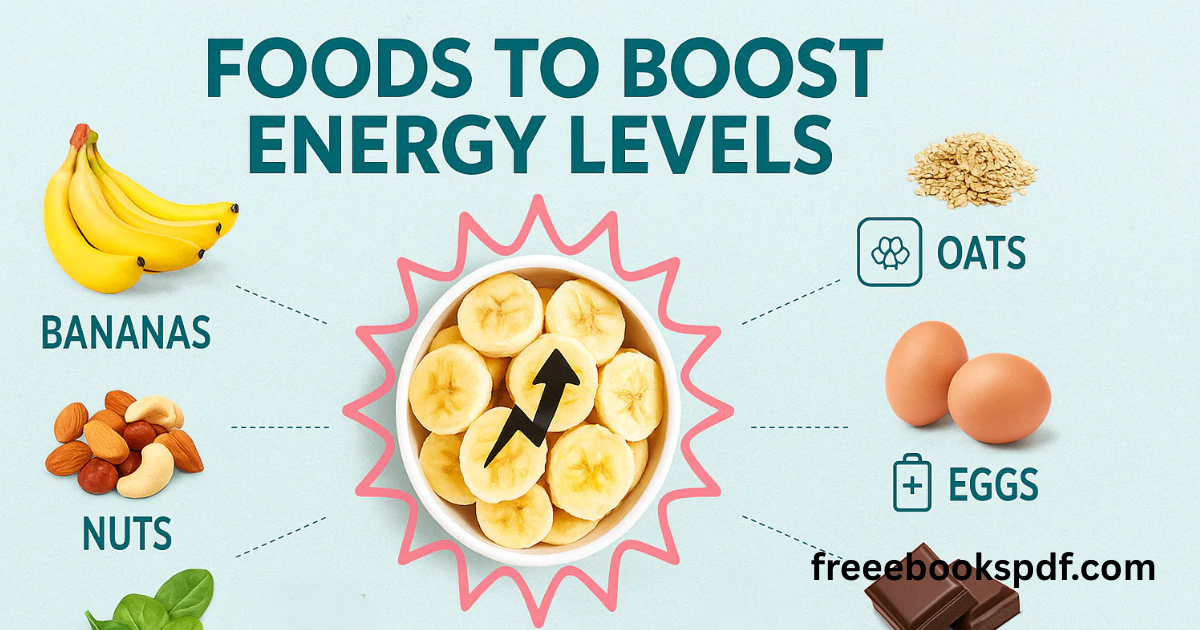
  • Foods that increase energy instantly

    Foods that increase energy instantly

    Do you often feel tired, sluggish, or low on energy during the day? Many people rely on caffeine or sugary drinks to get a temporary boost, but these quick fixes often lead to crashes later. A smarter, healthier approach is to eat foods that increase energy instantly, providing both immediate vitality and long-lasting stamina.

    This guide will explore the best natural energy-boosting foods, why they work, and how to incorporate them into your daily routine. Check out Best Foods for Healthy Hair Growth
    to learn which nutrient-rich foods like eggs, spinach, and nuts can naturally strengthen and promote thicker, healthier hair.

    The Reason Food is a Better Source of Instant Energy

    Food is the major source of energy to your body. Such nutrients as carbohydrates, proteins and healthy fats are transformed to glucose that gives your body and brain energy. Although sweetened food can give a short-term surge in energy, natural foods will sustain the energy and not have adverse side effects. Eating the right foods will make sure that you are able to maintain your energy levels all day long and thus can be able to be productive, alert and active.

    Important energy giving nutrients are:

    • Natural sugars: These are present in fruits and honey and they give instant energy.
    • Complex carbohydrates: These give energy a slow release of energy.
    • Proteins: Assist in maintaining the energy levels through stabilizing the blood sugar.
    • Vitamins and minerals: Help in metabolism and decrease fatigue.
    • Bananas -The Ultimate Quick Energy Food.

    The best example of the foods that provide energy quickly is bananas. They have natural sugars such as glucose, fructose, and sucrose, fiber which guarantees slow and gradual energy release. Besides, bananas can be cooked in potassium that helps keep the muscles and nerves in good working condition.

    Consumption: Have a banana as a snack or add it in a smoothie or eat it with peanut butter to act as pre-workout energy.

    Explore this helpful anti‑inflammatory foods list for beginners to complement your healthy eating routine.

    A. Honey -The Energy Booster of Nature

    Honey is a natural source of carbohydrate that will give an immediate energy with no crash as compared to refined sugar. Its simple sugars get absorbed soon by the body and give a sudden spike in the level of blood sugar and energy. Antioxidants that help in reducing fatigue are also found in Honey.

    Usage Instructions: Add a spoonful to warm water, drizzle over yogurt or blend into a cup of herbal tea to give you an energy boost.

    Nuts: Source of Protein and Healthy Fats to Keep You Going.

    The high-energy foods are almonds, walnuts, and cashews that contain elevated levels of protein, healthy fats, and fiber. Nuts are a good source of energy, minimize fatigue and enhance concentration. They are also a snack that can be taken to work when you are in a hurry and you need something quick to get energy without processed sugars.

    Consumption: Have a handful of mixed nuts in your bag or sprinkle them on salads or yogurt to easily and healthily get a quick burst of energy.

    Learn more about quick energy-boosting options in our guide on foods that increase energy instantly.

    Dark Chocolate -Energize and Enlighten.

    Dark chocolate is not only a snack but it is also a strong source of energy. It has natural caffeine and theobromine, which enhance blood circulation, alertness and mood. The dark chocolate should have a minimum of 70 percent of cocoa to optimize the benefits.

    How to eat: Have a small portion in the middle of the morning or before a workout to have an immediate boost of energy and concentration.

    Eggs – Full of Protein, Long-lasting Energy.

    Eggs contain a lot of high quality protein and other vital nutrients that make you stay active throughout the day. Protein assists to stabilize the blood sugar levels which ensure that the body does not experience crashes when it comes to energy.

    Eating: Boiled or scrambled eggs can be eaten in the morning, or cooked with vegetables, and eaten as a nutritious meal.

    Apples- Sweet, Natural Energy.

    The apples are dense in natural sugars and fiber which gives it a slow and constant energy supply. They also have antioxidants and vitamins which aid in decreasing fatigue and general health.

    How to eat it: Eat a fresh apple or cut it into oatmeal, salads or yogurt. The best mid-day snack is an apple that will provide a boost of energy without a crash.

    Oats – Slow-Releasing Energy

    Oats are one of the best foods to use in order to get sustained energy as they contain high amounts of complex carbohydrates. They have a slow release of glucose and this keeps you longer and more focused. The oats are also rich in fiber that aids digestion and ensures a constant level of blood sugar level.

    Preparation: Oatmeal can be prepared in the presence of milk or water and fruits, nuts or honey to make a balanced breakfast.

    Citrus Fruits- Reinvigorating Power Blast.

    The oranges, lemons, and grapefruits are citrus fruits that contain natural sugars, vitamin C and antioxidants. They aid in the reduction of fatigue, increase immunity, and provide you with an immediate energy boost. The taste is also refreshing as it helps to be alert and cognitively clear.

    How to eat: Drink fresh squeezed orange juice, add lemon slices to a glass of water or eat grapefruit halves to refresh yourself as a source of energy.

    Light But Energizing Yogurt

    Yogurt is also a good source of energy and it is simple to digest and has a lot of protein and carbohydrates. It also helps in gut health which is vital in terms of energy and general well being. Its energy boosting properties are improved by adding fruits or honey.

    Consumption: Yogurt can be used as a snack, breakfast or dessert. Add it with berries or drizzle of honey to take a quick energy boost.

    Water -The Forgotten Energy Booster

    One of the causes of fatigue is dehydration. Mild dehydration alone will cause you to feel tired and fatigued. It is important to consume adequate water during the day to ensure that the energy level and all body functions are sustained.

    How to eat: Have a water bottle ready and strive to have 8-10 glasses of water per day. It can be made more refreshing by adding lemon slices or cucumber slices.

    Fast Food Snack Concepts

    In case you have to have a quick surge of energy, the following combinations are good:

    • Banana + peanut butter
    • Apple + almonds
    • Yogurt + honey
    • Oats + fruits
    • Dark chocolate + nuts

    These snacks will be the right combination of carbohydrates, proteins, and good fats to get immediate energy.

    Foods to Avoid

    As long as we are concerned with energy boosting foods, limit or avoid:

    • Snacks and sweet drinks (result in energy crashes)
    • Low nutrient content food (processed foods).
    • Fried and greasy foodstuffs (slow digestion, fatigue)
    • Too much caffeine (may make one sleepless and anorectic)
    • Suggestions on How to keep oneself energetic.
    • Take small and regular meals.
    • Stay hydrated
    • Put protein in all meals.
    • Do not have many intervals between meals.
    • Focus on sleep and exercise.

    These habits plus natural energy-enhancing foods will guarantee that one remains energetic all day long.

    Conclusion

    Eating foods that boost your energy immediately and making them a part and parcel of your daily routine can help you tremendously in boosting your mood, productivity and health. The natural foods with high nutrient content such as bananas, nuts, honey, dark chocolate, oats, and yogurt are only a few of the foods that are quick and sustainable sources of energy.

    With the foods and lifestyle habits selected correctly, you will be able to have a regular energy level, stay out of crashes, and be your best every day. Discover foods that help digestion and reduce bloating naturally by checking out our detailed guide on foods that help digestion and reduce bloating.

  • Best foods for healthy hair growth

    Best foods for healthy hair growth

    Everyone desires strong, shiny, and healthy hair, but achieving it isn’t just about using expensive shampoos or hair masks. Your hair’s health is directly influenced by what you eat. A diet rich in essential vitamins, minerals, and proteins can prevent hair loss, promote growth, and strengthen your strands from root to tip.

    If you are looking for natural ways to improve your hair, incorporating the best foods for healthy hair growth into your daily diet is the key. This guide will cover nutrient-packed foods that nourish your scalp, boost hair growth, and reduce hair thinning. Discover foods that help digestion and reduce bloating naturally by checking out our detailed guide on foods that help digestion and reduce bloating.

    The Reason Why Diet is so important in the Growth of Hair.

    The hair follicles are dynamic tissues that need constant supply of nutrients in order to work effectively. When the diet does not contain protein, vitamins, or minerals, the growth of hair is retarded, and the hair is brittle and easily lost.

    The important nutrients that promote hair growth are:

    • Protein: Hair is composed of a form of protein called keratin. The new hair formation requires adequate protein intake.
    • Biotin (Vitamin B7): The vitamin fortifies the hair and helps it not to break.
    • Iron: assists in the transportation of oxygen to the hair follicles by the red blood cells which is vital to the hair growth.
    • Omega-3 Fatty acids: Hair follicles: nourish and hydrate the scalp.
    • Vitamins A, C, D and E: Preventing the damage of hair and maintaining the health of the scalp.

    A combination of these nutrients taken in the right quantities on a daily basis will make a significant difference on the hair thickness, shine and the rate at which it grows.

    Eggs: A Vitamin B-rich and Protein-rich Superstar.

    Eggs are also regarded as being among the best foods in hair growth due to their protein and biotin contents.

    Benefits:

    Egg proteins assist in the formation of strong keratin structures which are the base of hair.
    Biotin enhances the strength of the hair and slows down the loss of the hair.

    Add eggs to your morning meal or meals a few times a week to have a natural hair growth.

    Fatty Fish -Omega-3 To Shiny, Strong Hair.

    Salmon, mackerel, and sardines contain fatty acids that contain omega-3, which is essential to healthy hair.

    How they help:

    Omega-3s feed the hair follicles promoting rapid growth.
    They decrease inflammation which may result in shedding of hair.
    Enhance natural shine and volume of hair.

    The fats that are required to keep your scalp healthy can be obtained by adding fish to your diet 23 times a week.

    Spinach- Healthy Leafy Green (Iron and Vitamin).

    Spinach is a superstar in terms of nutrients that are necessary to grow hair such as iron, folate, Vitamin A and Vitamin C.

    Why it works:

    One of the most prevalent causes of loss of hair is iron deficiency.
    Spinach contains vitamin C which enhances the absorption of iron, which enhances better circulation to hair follicles.
    Vitamin A assists in the production of sebum thereby keeping the scalp hydrated.

    Considering the benefits of added spinach, it is best to add it to salads, smoothies, or cooked foods.

    Nuts and Seeds Vitamin E, Healthy Fats.

    Good snacks to eat in order to have healthy hair include almonds, walnuts, flaxseeds and chia seeds.

    Benefits include:

    Vitamin E increases the blood circulation in the scalp, which gives the hair follicles enough nutrients.
    Nuts contain healthy fats that ensure the hair is not dry.
    Nuts and seeds contain antioxidants that ensure that hair is not damaged by the environment.

    Even a little bit of mixed nuts on a daily basis will count a lot in the long run.

    Carrots- Vitamin A to the Scalp.

    Carrots contain Vitamin A that is necessary to keep hair healthy.

    Advantages:

    • Vitamin A assists in the production of sebum, the natural oil of the scalp, which makes the hair soft and moist.
    • Prevents the drying of hair and its splitting.
    • Promotes the growth of hair in general by follicling it.

    To enhance the quality of the hair naturally, add carrots in snacks, salads or juices.

    Beans and Lentils- Vegan Protein and Iron.

    Beans, lentils and chickpeas contain high level of proteins, iron and zinc and are thus ideal in facilitating healthy hair growth.

    Why they’re important:

    • Hair growth and repair is dependent on protein.
    • Iron helps to avoid the thinning of hair as a result of nutrient deficiency.
    • Hair tissue growth and repair is regulated by Zinc.

    Among the vegetarians, these foods that are made of plants play an important role in keeping the hair of the person strong and healthy.

    Berrys -Hair Protection Antioxidants.

    Antioxidants and Vitamin C are abundant in such berries as strawberries, blueberries, and raspberries.

    Benefits:

    • Hair follicles: prevent the damage of free radicals.
    • Vitamin C helps in the production of collagen increasing the strength of hair.
    • Increases the absorption of iron and hair loss is avoided because of deficiency.

    Mixed-berries may be taken as a cup each day to help in healthy hair growth and well being.

    Avocado Natural Moisture and Vitamin E.

    Vitamin E, biotin and healthy fats are all abundant in Avocados making it one of the best foods to nourish the hair.

    Advantages:

    • Vitamin E improves the flow of blood to the head.
    • Fatty acids make the hair shiny and moist.
    • Biotin strengthens hair and minimizes hair loss.

    Slices of avocados can be added to salads, smoothies or sandwiches to add nutrients.

    Dairy Products Strong roots with Calcium and Protein.

    The necessary protein, calcium, and Vitamin B12 can be found in milk, yogurt and cheese.

    Why they help:

    • Protein helps in the growth of new hair.
    • Calcium helps to give strength to hair roots.
    • Vitamin B12 facilitates good circulation of the scalp.

    Dairy should be incorporated in your daily meal to ensure that hair is thick and strong.

    Chicken -Lean Protein to Grow Hair

    Animal protein sources such as chicken are also lean and therefore, contain high-quality protein which is necessary in hair growth.

    Benefits:

    • Protein induces the production of keratin.
    • Offers amino acids required in the repair of the hair.
    • Helps reduce thinning of hair due to poor intake of proteins.

    Grilled or boiled chicken is also a good choice of your balanced diet.

    Bananas -Biotin and Potassium Enriched.

    Biotin, potassium and natural oils are found in large quantities in bananas, which are the products of nature.

    Advantages:

    • Biotin enhances hair and prevents its breakage.
    • Potassium assists in keeping the head healthy.
    • The natural oils also make the hair shiny.

    Eat banana every day or add it in smoothies as a boost to hair.

    Cheats to Enhance Natural Hair Growth

    To maximize on these nutrient enriched foods:

    • Keep hydrated and take lots of water.
    • Do not consume processed food, too much sugar, and bad fats.
    • Eat well balanced diet and all the necessary vitamins and minerals.
    • Eat well and take good care of the hair (wash softly and condition hair).
    • Relaxation methods help to reduce stress, which is a cause of hair loss.

    Top 10 Reasons of Hair Fall Regardless of a Healthy Diet.

    In spite of a balanced diet, hair loss can be caused by:

    • Hormonal imbalance (thyroid, pregnancy, menopause)
    • Genetic (androgenetic alopecia)
    • Scalp infections/ dandruff.
    • Overheating or overuse of chemicals in hair style.

    The most effective approach to hair health would be a combination of healthy diet, hair care, and health care (in case of any issues).

    Conclusion

    Good, lustrous and healthy hair begins inside. Eating healthy foods that promote healthy hair growth such as eggs, fatty fish, spinach, nuts, berries, and avocados will help your scalp and hair follicles to be nourished.

    Through this diet with hair-friendliness and a healthy lifestyle, you can have a stronger, shinier, and thicker hair without using only hair products and treatments. Discover the best foods for better sleep to support your nightly rest naturally.

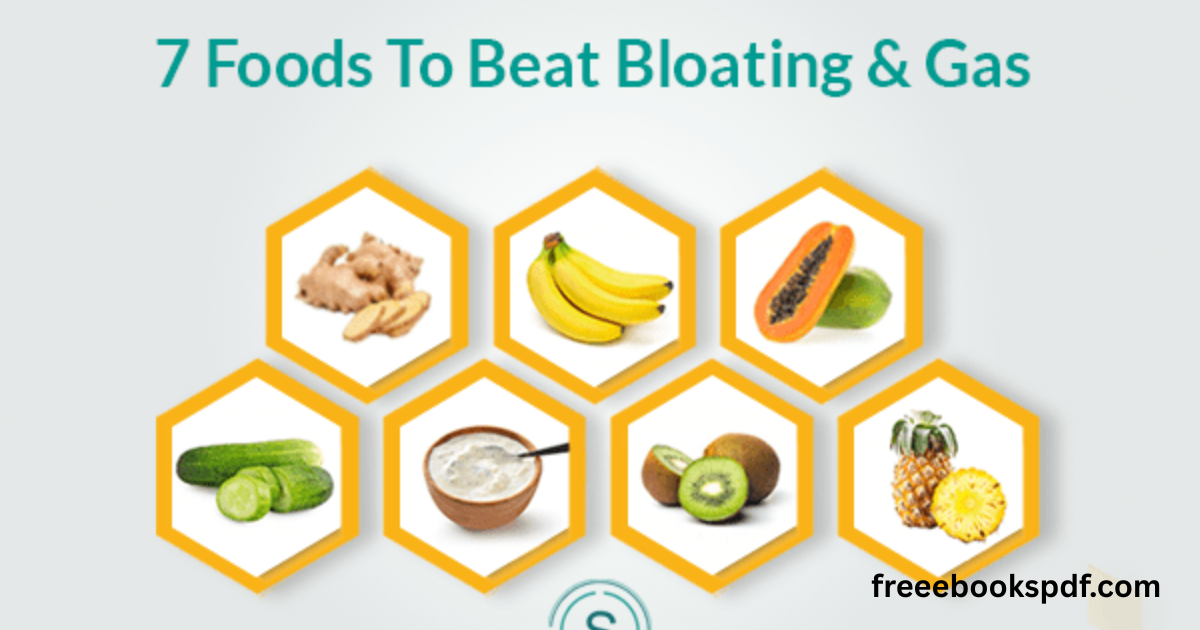
  • Foods that help digestion and reduce bloating

    Foods that help digestion and reduce bloating

    Digestive issues like bloating, gas, and stomach discomfort are common problems that many people experience daily. Poor eating habits, stress, and lack of physical activity can all affect how your digestive system works. Fortunately, making smart food choices can significantly improve digestion and reduce bloating naturally.

    In this complete guide, you’ll discover the best foods for digestion, how they work, and simple ways to include them in your daily routine. Want to boost your metabolism naturally and improve fat burning with simple diet changes? Read the complete guide here: Foods That Boost Metabolism Naturally.

    Digestion and Bloating.–Avoiding bloating is impossible without understanding how to digest.

    Digestion is the process through which your body breaks down food to nutrients that your body can absorb and utilize it. In case this process becomes ineffective or slowed down, it may result in discomfort, bloating and gas.

    The bloating normally occurs because of:

    • Too much gas in the stomach.
    • Poor digestion
    • Food intolerances
    • Consumption of excess or excessive eating.

    These may be avoided by eating gut-friendly foods to ensure that you have a healthy digestive system.

    These are the best foods that aid in digestion and help you de-bloat.


    Yogurt (High in Probiotics)

    Yogurt is a food that is very good in enhancing digestion. It has probiotics- good bacteria that help in keeping the gut healthy.

    Benefits:

    • Enhances digestion
    • Minimizes bloating and gaseousness.
    • Enhances intestinal microflora.

    To achieve the most, plain, unsweetened yogurt with live cultures should be selected.

    Ginger (Natural Digestive Booster)

    Ginger is an effective natural medicine that is reputed to be digestive. It aids in the enzyme secretion and accelerates the emptying of the stomach.

    Benefits:

    • Minimizes bloating and gaseousness.
    • Relieves nausea
    • Improves digestion

    Ginger may be taken as tea, juice or may be added to food.

    Bananas (Easy-to-Digest Fruit)

    Bananas are also easy to digest in the stomach and are high in potassium that aids in the retention of water that leads to bloating.

    Benefits:

    • Supports smooth digestion
    • Prevents bloating
    • Provides quick energy

    They can be eaten when you are having a breakfast or a snack.

    Papaya.

    Papaya fruits have an enzyme known as Papain, which can digest proteins and therefore, it is easier to digest.

    Benefits:

    • Reduces bloating
    • Prevents constipation
    • Supports gut health

    Consumption of papaya on a regular basis may enhance the general digestion.

    Oats (High in Soluble Fiber)

    Oats contain a great amount of soluble fiber, which generates the normal bowel movement and healthy digestion.

    Benefits:

    • Prevents constipation
    • Stimulates the growth of good intestinal flora.
    • Reduces long-term bloating

    To have a good digestion use oatmeal in the morning.

    Cucumber (Hydrating and Cooling)

    Cucumbers are also rich in water and this factor serves to maintain a good level of water in your digestive system and keeps your digestive system in good operation.

    Benefits:

    • Reduces water retention
    • Flushes out toxins
    • Calms the gastrointestinal system.

    They suit well with salads or snacks.

    Remedy: Fennel Seeds (Natural Anti-Bloating Remedy)

    The use of the fennel seeds in the treatment of the digestive problems dates back to centuries. They assist in loosening the bowel system and gastric accumulation.

    Benefits:

    • Relieves bloating
    • Reduces gas
    • Improves digestion

    A little bit of chewing after meals will do the trick.

    Fiber and Magnesium Rich Leafy Greens.

    Spinach, kale, and lettuce are some of the vegetables that are rich in fiber and other nutrients.

    Benefits:

    • Supports digestion
    • Prevents constipation
    • Reduces bloating

    Greens added to your food will help in the general health of the gut.

    Peppermint (Soothing Herb)

    Peppermint is also famous in its digestive system soothing effect.

    Benefits:

    • Relaxes digestive muscles
    • Minimizes cramps and bloats.
    • Improves digestion

    The peppermint tea is very good when taken post meals.

    Apples (Prebiotic Fiber Source)

    Apples also have a form of fiber known as pectin that is a prebiotic and feeds the good gut bacteria.

    Benefits:

    • Promotes a healthy intestinal microbiome.
    • Improves digestion
    • Reduces bloating

    Regular eating of apples can be used to balance the digestive state.

    Food avoidance: What to avoid to improve food digestion.

    In order to prevent bloating, it is also necessary to avoid the foods that may cause digestive problems:

    • Soft drinks (build up of gases)
    • Fried and oily foodstuffs.
    • Ready-made and packaged food.
    • Too much salt (causes retention of water)
    • Artificial sweeteners

    These foods can be avoided, and a significant difference in the stomach feeling can be noticed.

    Sample Diet Plan to improve better digestion

    The following is a simple day to day schedule to enhance the digestion process and prevent swellings:

    • Breakfast: Banana and yogurt Oatmeal.
    • Lunch: Chicken with greens and cucumber salad Grilled.
    • Snack: Papaya or apple
    • Dinner: Souped-up vegetable meal of light ginger tea.

    Hints at the Lifestyle to Enhance Digestion.

    Along with the proper food consumption, the following habits can be used to enhance the digestion:

    • Take your food gradually and consume it in a proper way.
    • Take as much water as possible in the day.
    • Avoid overeating
    • Exercise regularly
    • Manage stress levels

    Little changes in lifestyle may make a tremendous difference in the digestive system.

    🧠 Final Thoughts

    There should not always be a battle against digestive issues such as bloating. Naturally, by adding foods that aid digestion and reduce bloating to your food, you will be able to make your gut healthier and feel much more comfortable on a daily basis.

    Pay attention to the incorporation of probiotic-containing such foods as yogurt, high-fiber foods such as oats, and natural products such as ginger and fennel seeds. Meanwhile, cut down on the consumption of processed and gas-making food.

    Regularly and with proper diet, you will have improved digestion and minimal bloating and will be more healthy. Explore the full article on Iron-rich foods for females for expert tips, food lists, and diet strategies.