
Introduction
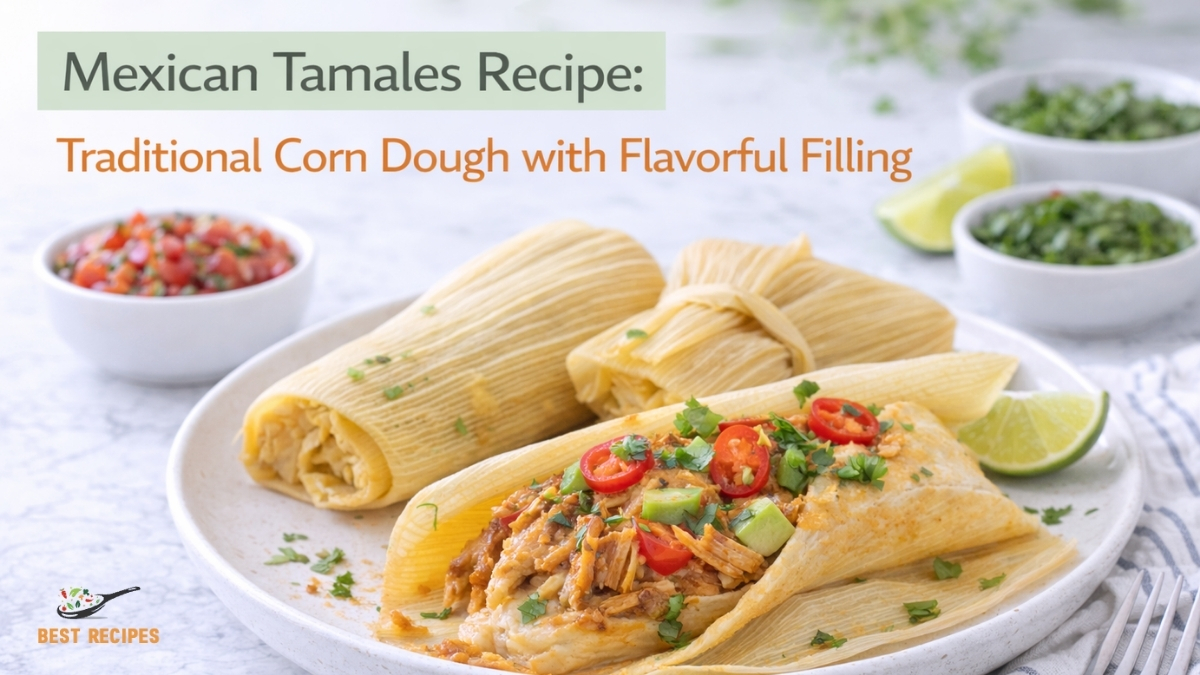
One of the most traditional and favorite foods in the Mexican cuisine is Mexican tamales. These are delicious bites that are prepared using corn dough known as masa and stuffed with either meats, vegetables, or sauces. Then it is put in corn husks and steamed until it is done. Consequently, the tamales turn tender, fragrant and loaded with good taste.
Tamales are not a fast food as many other fast foods are. As such, they are usually made when there is an occasion, family get-together, and holidays. Besides, tamales are often made together with the members of the family, and this experience is even more extraordinary.
Moreover, tamales are made using basic ingredients to make a good and soothing meal. The dough is soft and easy to work with, and it is best accompanied by some fillings and sauces. Tamales, therefore, have been a popular meal over time. You will discover how to cook traditional Mexican tamales with the use of traditional ingredients and traditional methods of cooking in this guide.
Mexican Chicken Tortilla Soup Recipe: Easy Homemade Soup
History of Mexican Tamales
Tamales are somewhat old and they are related to thousands of years ago. Corn dough and fillings were used to prepare ancient versions of tamales prepared by ancient civilizations such as the Aztec and Mayans in Mexico.
Tamales at that time could be carried around as snacks to travelers and warriors. The food was easy to carry since it was wrapped and steamed therefore was fresh The recipe developed throughout the years with the introduction of new ingredients and spices. As a result, tamales had been incorporated into the Mexican culture and food.
Tamales are made on special occasions today i.e. at Christmas, weddings and festivals. In the meantime, some family gatherings involving tamale-making remain as well-established as tamaladas, which are gatherings of relatives who cook tamales.
Mexican Tamales ingredients
Tamales are developed using very easy to make components that will form the dough and the filling.
Ingredients for masa dough:
- 2 cups masa harina (corn flour)
- 1 cup chicken broth
- 1/2 cup vegetable oil or lard
- 1/2 teaspoon salt
- 1/2 teaspoon baking powder
Ingredients for filling:
- 2 cups cooked chicken that is shredded.
- 1 cup enchilada or red salsa
Other ingredients:
- 12 dried corn husks
Optional toppings:
- Salsa
- Sour cream
- Fresh cilantro
The ingredients form soft tamales that have tasty filling.
Preparing the Corn Husks
Before using, softer corn husks have to be used. Preliminarily put the dry husks of corn in a big bowl. Then wrap them with hot water. Let the husks be soaked in approximately 30 minutes.
The husks will then grow soft and elastic. Soaking In the water, take off the husks and wet towel dry them. At this point the husks are all prepared to wrap the tamales.
Preparing the Masa Dough
Combine masa harina, baking powder and salt in a big bowl. Add vegetable oil or lard next to the mixture. Add chicken broth gradually as the dough is mixing. Meanwhile keep on mixing until you get a smooth-fluffy dough. It must have the texture of mashed soft potatoes. In case the dough is too dry, put a little broth. Adequately made masa dough is useful in producing soft tamales upon steaming.
Preparing the Filling
The tamales are filled with flavour and moisture. Second place chopped chicken into a bowl. Then add enchilada or red salsa sauce. Blend the ingredients and ensure that the chicken is covered with the sauce. Other fillings can also be done in the meantime like beans or cheese. Nonetheless, chicken filling is one of the most traditional fillings.
Assembling the Tamales
The tamales are now ready to be put together. Preparation Prepare a softened corn husk on a flat surface first. Pour about 2 tablespoons of masas dough on the middle of the husk. Mark the dough using the back of a spoon to give it an even spread.
The second step is to place a little chicken stuff in the middle of the dough. Next cover up one half of the husk with the filling. Fold the remaining half to cover the dough. Lastly, The bottom of the husk should be folded to cover the tamale. Continue until all the ingredients are consumed.
Steaming the Tamales
The common form of cooking tamales is steaming. Initially pour in a big pot some cups of water. Importantly, put a steaming rack in the pot. Then put the tamales on the rack standing with the open part upwards. Cover the pot with a lid. Tamales take approximately 60 minutes to steam. Meanwhile check every so often to make sure that there is water in the pot. After cooking, the masa dough must also come off the corn husk.
Serving Mexican Tamales
The tamales should be left to cool after being steamed. Take off the husks of the corn and serve. Put the tamales in a plate and top it with other items like salsa or sour cream. Fresh cilantro can also be sprayed over to achieve more flavor. Tamales are commonly accompanied by rice or beans as a whole meal. In the meantime, lime wedges give it a fresh citrus taste.
Tips for Perfect Tamales
Pre-treat corn husks in order to make them soft. Apply masa all over the husk. The tamales should not be stuffed to excess since they might not seal. Cook steam tamales until cooked. Heat the tamales in order to enjoy them most. These are the tips that assist to make successful homemade tamales.
Common Mistakes to Avoid
They can be torn with the help of using dry corn husks. The dough of masa when it is prepared too thick it can produce dense tamales. Excessive filling can result in the inability to fold. The tamales could be undercooked in case of insufficient time to steam them. This is why it is significant to prepare carefully.
Conclusion
Tamales are a national Mexican cuisine; an amalgamation of softened corn dough and tasty stuffing blended in corn husks. Cultural background and their rich taste influence them to be one of the most iconic foods in the Mexican cuisine.
Besides this, tamales unite families due to common cooking practices and festivals. In order to enjoy the genuine aspect of the Mexican cuisine, it is possible to prepare tamales at home.
ADVERTISEMENT
